Champagne- la vallée de la marne, France
20 Boulevard Maréchal de Lattre
51160 Aÿ
France
+33 3 26 53 33 66
Maison Bollinger is one of the oldest Champagne houses, with vineyards dating back to the 15th century. But it all really began as a Champagne House in 1829. From Athanase de Villermont to Joseph Bollinger, via the charismatic Elisabeth Bollinger “Aunt Lily”, the House of Bollinger, official supplier of champagnes to the English court since 1884, is undoubtedly one of the most creative and talked-about houses in terms of its development decisions, its audacity and its exposure to the cinema since 1973, as the official champagne of Ian Fleming's famous hero, Agent No. 007: James Bond.
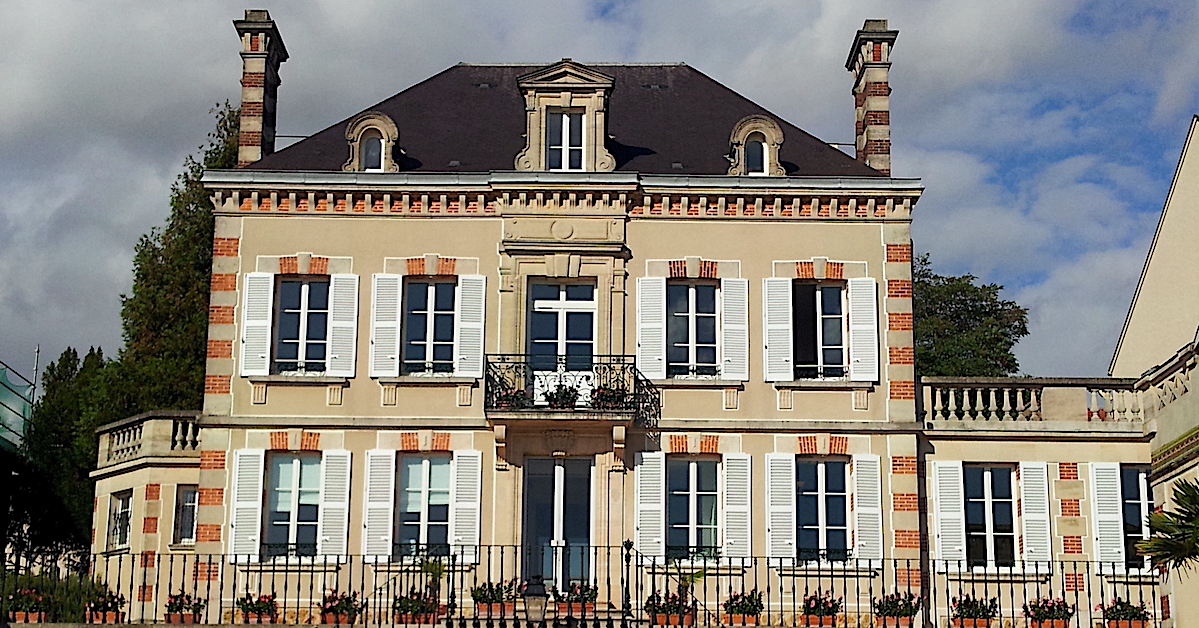
The history of Maison Bollinger, one of the oldest Champagne houses, dates back to 1650, when the Hennequin de Villermont family settled on the Château de Cuis estate south of Epernay. The estate had already had vines there since the 15th century, but these plots were not then destined to produce Champagne effervescent as we know it today. We had to wait until 1829 to see the beginnings of the creation of the legendary house.
It all began with Athanase de Villermont - an aristocrat of the time - who inherited a vast estate near Aÿ. But he was promoted to admiral during the American War of Independence, and could not possibly engage in commerce, an activity deemed incompatible with his rank. To get around this difficulty, he came up with the idea of teaming up with two highly entrepreneurial ex-representatives of a champagne house. They were Paul-Joseph Renaudin and Joseph Jacob Bollinger, known as “Jacques Bollinger”. The former was a Champagne man with a passion for wine, while the latter, of German origin, was a traveler seeking to discover the Champagne wine trade, and decided to settle in Champagne. Renaud-Bollinger & Cie was born. Business between the three men soon flourished.
A few years later, in 1837, Jacques Bollinger married Louise-Charlotte, the daughter of Admiral de Villermont, giving the company a whole new dimension. The solidity of these family ties would lead to a fine reputation in the decades that followed, with each generation passing on the secrets of making and preserving the techniques of the past. It was during this period that Bollinger's unique style, characterized by the pursuit of exacting standards and constant perfection, would establish itself through this Bollinger saga.
Bollinger champagne also quickly made a name for itself on the UK market. So much so that in 1850, the Champagne House opened a sales office in London. Then, in 1858, Bollinger joined forces with a distributor, the Mentzendorff company (which it bought in 1958). In 1884, Queen Victoria endorsed the brand and granted it the precious sesame, the “Royal Warrent”, making Bollinger one of the court's official suppliers. The UK remains the leading consumer of Bollinger champagnes, accounting for 30% of sales versus 14% in France, for example.
Bollinger is also marked by the audacity of the wife of Jacques Bollinger (the founder's grandson). She was Elisabeth Law de Lauriston-Boubers. Descended from an old Scottish family, “Aunt Lily” as she was nicknamed, was 42 years old when she took over the company on the death of her husband in 1941. Under her management, Bollinger developed much more internationally, thanks to the sales tours she undertook, particularly in the United States, to establish the Bollinger brand. Elisabeth Bollinger launched new high-end champagnes such as Bollinger R.D. or the cuvée “Vieilles Vignes françaises”, made from a micro-parcel of pre-phylloxera “franc de pied” vines: a real treasure. “Madame Jacques” also revolutionized Bollinger's style, choosing to work with Pinot Noir instead of Chardonnay (the basic grape variety of most Champagne houses at the time). Another bold innovation to her credit was low dosage champagne, at a time when “extra-brut” or “extra-dry” champagnes, in other words “low dosage”, either didn't exist or were not at all to consumers' taste. Indeed, “Aunt Lily” preferred less sweet champagne, when many champagne houses in the early 20th century were happily dosing up to 40 grams per liter, very high dosages that helped mask any imperfections in the wine. But for Maison Bollinger, whose grapes are of the highest quality because they are totally controlled at every stage (the parcels belong to the company), there is no point in dosing champagnes at such high levels. What Madame Bollinger is looking for, above and beyond her own personal tastes, is balance and freshness in her champagnes. The dosage will therefore be 12 grams of sugar per liter, not double or triple as with other houses. Today, as the “zero dosage” trend slowly takes hold, Bollinger uses only 7 grams per liter in its dosages, which means that Bollinger doses less than most Champagne houses.
But “Aunt Lily's” boldness and vision didn't stop there. While it was more profitable to focus on mixed farming (vines, wheat...), Elisabeth Bollinger soon realized that the strength of a Champagne house lay in being able to source its own grapes easily by owning its own plots, playing the card of almost total independence. If Bollinger now owns more than 170 hectares, it is undoubtedly thanks to Elisabeth Bollinger.
From Elisabeth Bollinger to Ghislain de Montgolfier, Bollinger champagnes have always been led by visionaries in their own right. It is they, through their commercial and technical decisions, who have made this house unique. Bollinger is often preceded by the words “première maison de Champagne” (first Champagne house). Bollinger is the first wine merchant in France to be awarded Haute Valeur Environnementale certification - attesting to its commitment to the environment - and the first in Champagne to be awarded the Entreprise du Patrimoine Vivant (Living Heritage Company) label, which recognizes excellent craftsmanship.
What seems to best characterize Bollinger, then, is its ability to make courageous and often daring decisions. This strategy paid off, as Bollinger became the official supplier to the British court as early as 1884. The latest bold move was the choice of Jérôme Philipon to head the house since 2007 (replacing Ghislain de Montgolfier, the great-great-grandson of founder Jacques Joseph Bollinger), thus breaking with the family legacy in place since its foundation. A constant challenge to combine artisanal expertise with innovative technologies to maintain its unrivalled status.
At the end of 2019, Jérôme Philipon will leave the Jacques Bollinger company. In January 2017, he was appointed Deputy Managing Director alongside Etienne Bizot, who thus becomes the new Chairman of Bollinger and the Jacques Bollinger company. Charles Armand de Belenet now oversees the destiny of Bollinger, whose eponymous company (SJB or Société Jacques Bollinger) also includes another Champagne house, Ayala (acquired by Bollinger in 2005), as well as the Delamain Cognac house, Langlois-château in the Loire Valley and finally the Chanson Père & Fils estate in Burgundy (in Chablis).
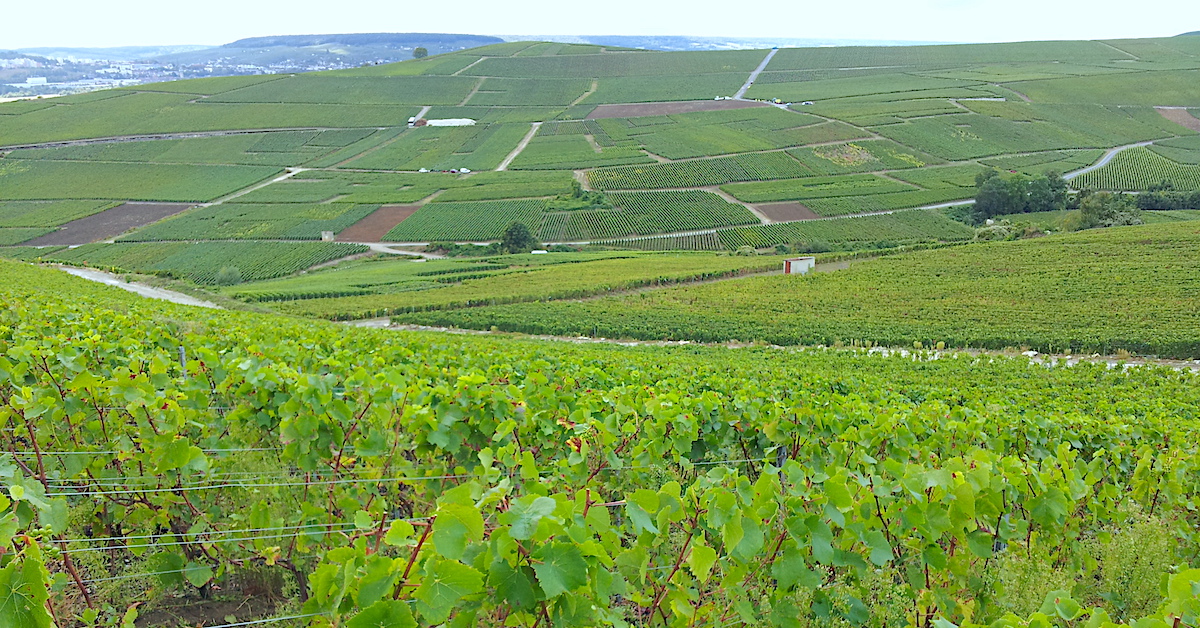
With 164 hectares of mainly Grands Crus and Premiers Crus, Bollinger is one of the few houses to produce the majority of the grapes needed for its blends, thus exploiting more than 60% of the vineyards it needs. This is truly an exceptional situation for Champagne, guaranteeing Bollinger a kind of permanence for the quality of its champagne style. The same goes for the selection of the crus, which is uncompromisingly rigorous. Bollinger sources over 80% of its wines from Grands Crus and Premiers Crus (representing only 20% of the number of crus in the appellation). From this drastic selection of grapes, only the “cuvée” (the first press) is used to obtain an exceptional champagne. Bollinger also creates exceptional blends thanks to a remarkable collection of “reserve” magnums. Bollinger boasts almost 600,000 magnums, making it the only Champagne house with such a wide range of aromas.
But it's the entire winemaking process that's most unusual: bottles are still riddled by hand, reserve magnums and vintage cuvées are corked, and the wine is aged in barrels (an ancestral tradition that few Champagne houses have been able or willing to keep), with a cooper in the home. All this is part of the constant quest to produce exceptional champagnes. Bollinger also works according to its desires, not hesitating to use an aging time twice as long as the rules imposed by the appellation. The aim: to fully express the personality of our wines.
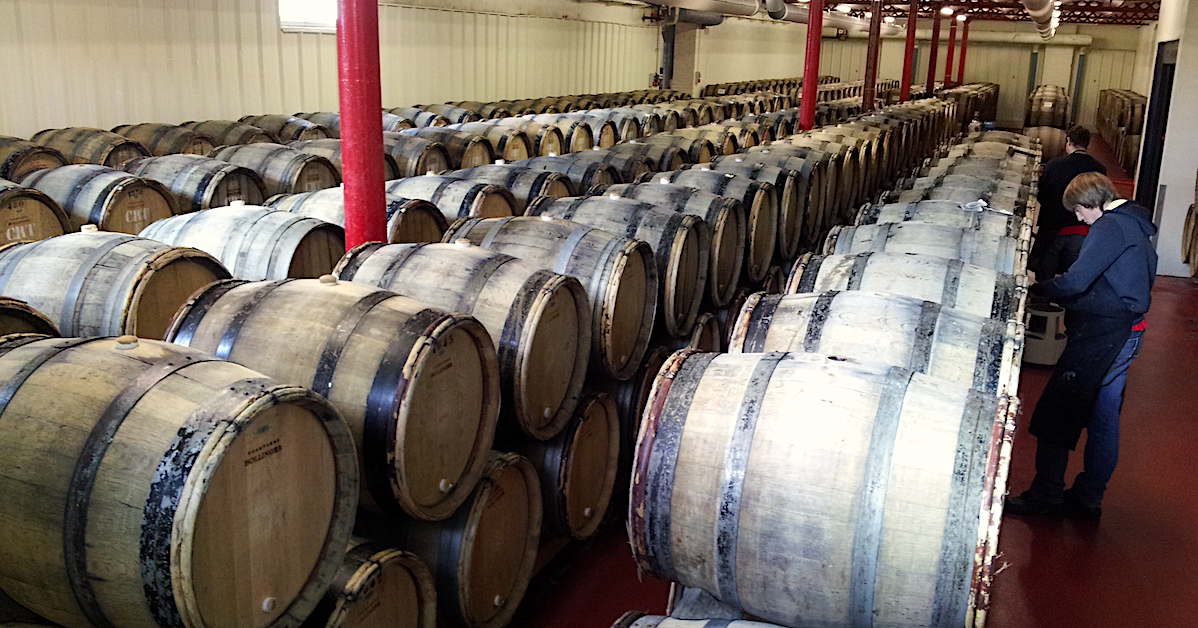
Among all the champagnes signed Bollinger, there's one whose availability is always highly scrutinized and eagerly awaited. The Bollinger R.D. champagne, said to be James Bond's favorite, represents Bollinger's nec plus ultra. To understand why this champagne is unique, we need only recall the historical and technical context of this highly singular cuvée, which thrives on patience and the art of cultivating time.
The cuvée is closely associated with the iconic Madame Bollinger. It was she who, in 1952, initiated this spectacular innovation, creating, as it were, a champagne of eternity. Time is the key to great champagnes (and great wines in general), as it prolongs and completes in the cellar the best that the terroir has to offer, brilliantly interpreted by the oenologist who has magnified the terroir. To achieve this, at Bollinger, a very demanding selection is made from the cuvées that make up La Grande Année Bollinger (another mythical cuvée), in order to extract the best batches for the vintage that will be part of the unique R.D. list.
Take the case of the cuvée R.D. 2002 released in 2014. According to Jérôme Philippon - who was President of the House of Bollinger until 2019 - 2014 was the year of the R.D. for Bollinger, coming after the James Bond cuvée in 2012 and the rosé in 2013. Indeed, the RD 2002 cuvée (after 12 years aging in the Bollinger cellars) had caught the eye when it was made available on the market in March 2014. While the 1997 had a limited stock, the 1999 had oriented production towards large formats only, while the 2000 was marketed only in jeroboams to guarantee optimal aging for this already very mature wine. But on March 25, 2014, Bollinger had communicated extensively on the launch of RD 2002, this time enjoying a substantial stock with quality still on the agenda, perfectly consistent for this champagne admired for its great freshness and good ageing potential.
With this vintage, Bollinger also celebrated the 50th anniversary of the cuvée R.D. A quick reminder: in 1967, the company launched this unusual wine all over the world. We tasted 1952 in the UK, 1953 in Switzerland and 1955 in the USA and Italy. This marked Bollinger's arrival on the international scene, competing with the prestige cuvées of other houses, which were very much in vogue at the time. But why R.D.? RD simply stands for “Récemment Dégorgé” (recently disgorged) and therefore contains an old vintage disgorged and dosed like an extra brut: it's this singular process that gives this champagne exceptional freshness and tension on the nose and palate.
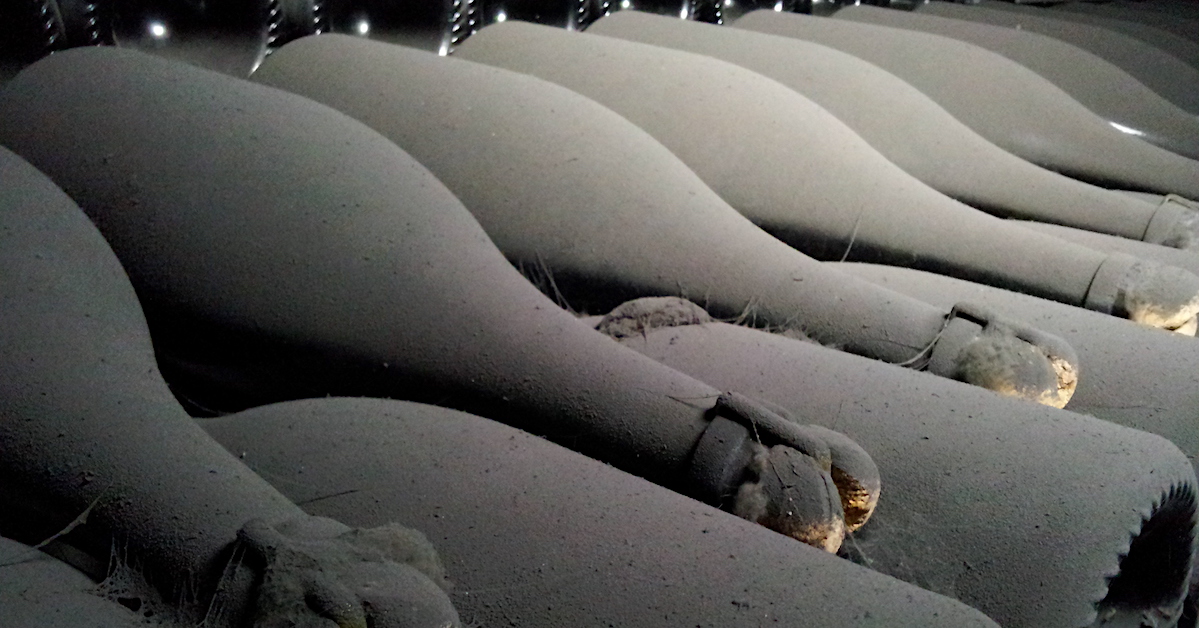
This exceptional champagne, a daring blend of freshness and complexity, pays tribute to the values that are part of the House's DNA. First, the time factor: necessary to deliver an exceptional cuvée and discover its full aromatic richness. Next, rarity: represented by a limited reserve of hand-engraved bottles for a rare moment of tasting. Finally, the creativity and audacity of this innovative cuvée for its time. Composed of 64% Pinot Noir and 40% Chardonnay, this Cuvée RD 2002 from Champagne Bollinger represents one of the most promising vintages of the last decade. With a maturation time more than three times longer than the appellation's rules, and aging on lees, it seduces with both its freshness and its aromas representative of champagnes de grande garde.
With its golden color and subtle reflections, giving way to an aromatic bouquet dominated by ripe fruit aromas, RD 2002 is a delicious blend of complexity and subtlety. Hints of honey and stewed fruit can be detected, along with toasty and spicy touches (star anise and nutmeg). On the palate, the attack is fleshy and well-balanced between power and persistence. The finish is mineral and reveals fine bitters.
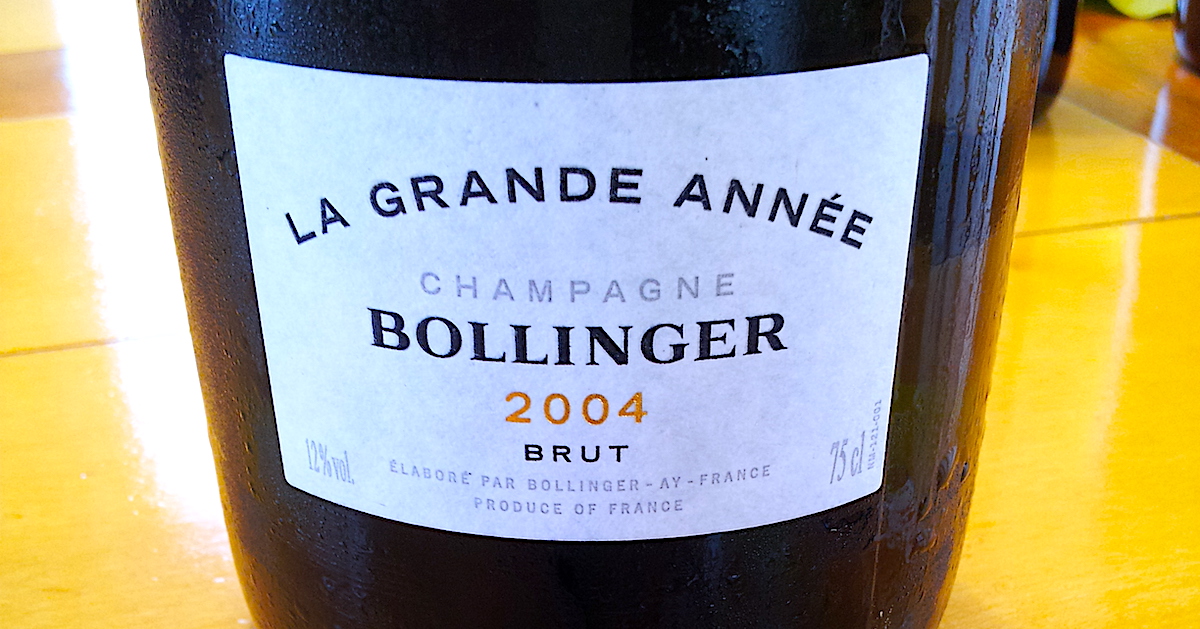
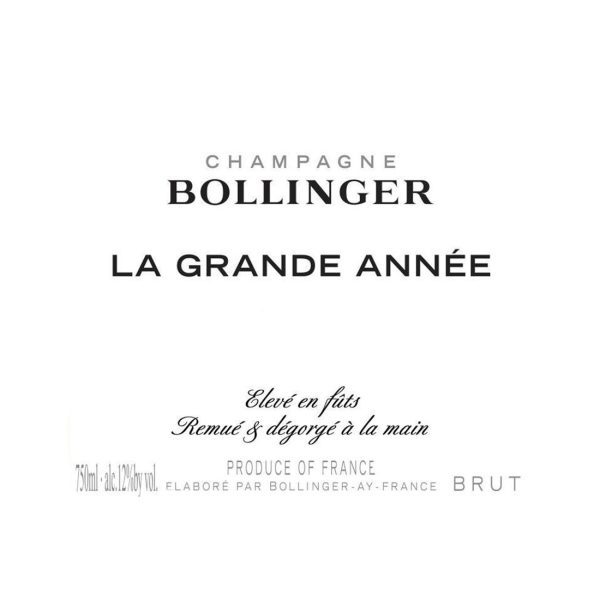
Bollinger's Cuvée Prestige, La Grande Année, is only made in years deemed “exceptional”, singular and truly extraordinary. The mission of “La Grande Année” is to translate into the glass those particularities of the harvest that really deserve to be bottled, in the tradition of Bollinger's landmark vintages. La Grande Année is a champagne combining balanced vinosity with intense, complex aromas. It is a unique blend of Grands Crus and Premiers Crus grapes. In terms of vinification, La Grande Année is made exclusively in small old oak barrels, a rarity in Champagne when many others use stainless steel tanks. Bollinger's unique approach ensures a more rigorous selection process and preserves the wine's tannins and woody flavors. As a result, the wine's aromatic complexity and ageing potential are guaranteed. For the aging phase, the bottles are aged in the cellar for 6 months under cork stoppers (to maintain freshness) to allow the aromas to preserve their full bouquet and freshness (their aromatic clarity). Subsequently, La Grande Année will benefit from a low dosage (liqueur de dosage), followed by a 3-month rest in the cellar to allow the wine to maintain its balance after disgorgement, which is a momentary shock for champagne.
La Grande Année 2002 is the result of a warm year, albeit with little sunshine overall, if the heavy rains recorded at the end of August are anything to go by. The year, marked by low water balances and botrytis that was quickly contained to allow the grapes to ripen in good conditions, ended up with a vintage that was judged suitable for making “La Grande Année”. La Grande Année 2002 presents a string of fine bubbles in an old gold color, slightly pink in hue, signifying a normal evolution of the wine. The nose is generous and subtle, with scents of eau-de-vie fruit and hints of rhubarb and seductive spices. The palate is precise, with good tension and freshness. The mid-palate is slightly creamy, with iodine accents, exotic notes and a long-lasting finish. A champagne made for laying down, in the tradition of 1999, 1996, 1995 and 1990.
Rosé de Bollinger, a thirst-quenching yet gastronomic rosé by definition, is a blend of red juices from over 85% of the Grands Crus plots specially dedicated to its production. A special feature: this champagne rosé is a blend of only 5% of this wine with the “Spécial Cuvée” blend. The viticulture and vinification methods are identical to those used in Burgundy. In fact, green harvesting is practiced here to reduce the quantity of grapes for optimal fruit rich in aroma. The grapes are harvested entirely by hand, then on a table before pressing, followed by low-temperature fermentative pre-maceration. The blend is based on the use of two harvests, fermented either in small stainless steel vats or in old oak barrels. The dosage is very balanced. Another specificity of Bollinger's rosé is its maturation time, which is more than twice as long as the appellation's rules. Next comes disgorging, followed by the final phase of resting in the cellar for between 3 and 6 months.
This Champagne rosé is both precise and powerful, making it a perfect match for gastronomy. Bollinger Rosé has golden-brown highlights mixed with the intense depth of red wine. On the nose, this rosé champagne offers red fruit aromas (redcurrant, cherry, raspberry, even strawberry). As the nose evolves, there are hints of the spices found in “Spécial Cuvée”. On the palate, Bollinger rosé is both a structured champagne (elegant tannic structure) with a lovely acidic freshness and greedy red fruit aromas. All in all, a joyful, full-bodied champagne rosé whose balance calls for another glass after the first.
1900-1928-1937-1943-1945-1947-1953-1959-1962-1969-1970-1975-1978-1979-1982-1983-1985-1988-1989-1990-1996-1997-1998-1999-2002-2008 -2012-2015-2016-2018-2019
Photo credit: ©️ F.LOT – All rights reserved