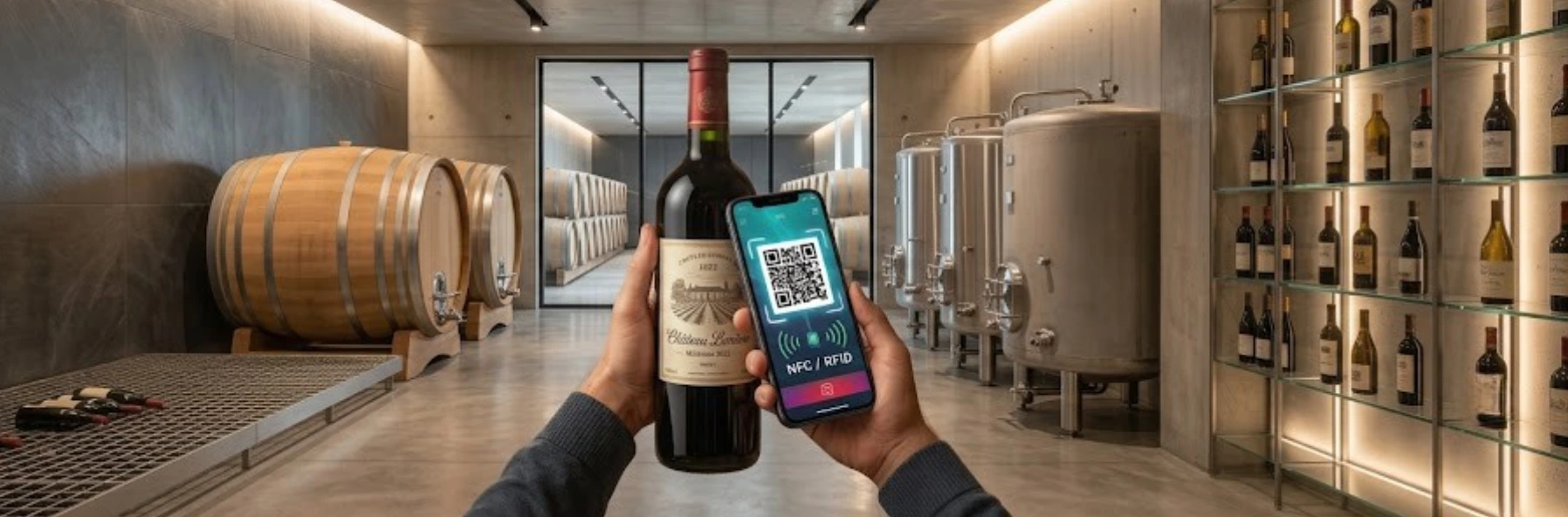
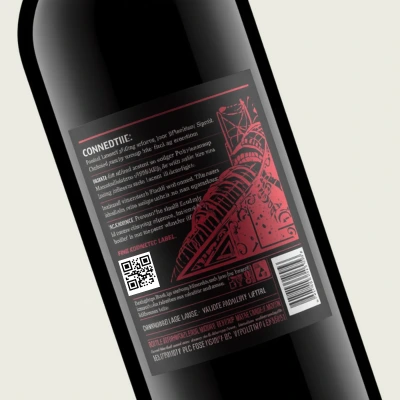
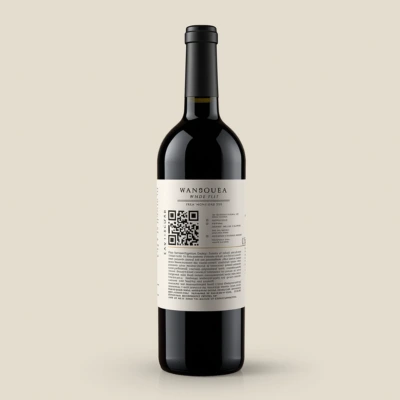
A connected label is a label integrating digital technology, QR code, NFC chip (Near Field Communication) or RFID chip (Radio Frequency Identification), enabling consumers to instantly access enriched digital content by simply scanning the bottle with their smartphone. It transforms the wine or spirits bottle into a genuine gateway between the physical and digital worlds.
For the producer, the connected label is a direct communication tool with the end consumer, a lever against counterfeiting and a channel for collecting valuable data on markets and purchasing behaviour. For the consumer, it opens the door to an enriched experience: estate history, vintage information, food and wine pairings, tasting videos, complete bottle traceability.
The first labels with QR codes appeared in the wine sector in the early 2010s, driven by the democratisation of smartphones. Simple at first, they redirected to the estate's website. NFC technology, more fluid and requiring no dedicated application, gradually established itself in the premium segment from 2015 onwards.
The European obligation to display nutritional information on wines, which came into force in December 2023, was a major accelerator for connected labels. Many producers chose to use the regulatory QR code as an entry point to a complete digital experience, transforming a regulatory constraint into a marketing opportunity.
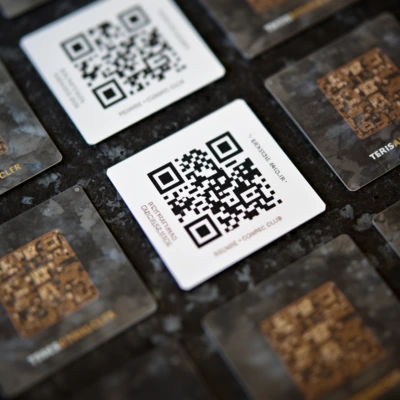
The connected label provider designs and produces the physical supports integrating digital technologies, but also manages the associated digital platforms: content hosting, information updates, analytical dashboards enabling producers to track scans by country, period and distribution channel.
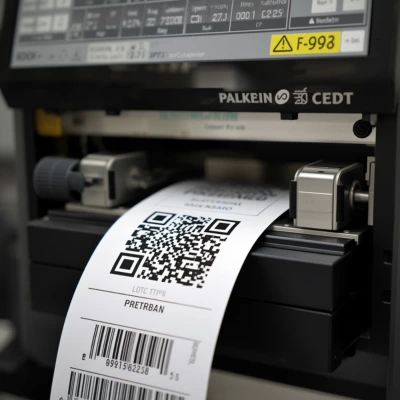
They work closely with traditional label printers to integrate NFC chips or QR codes into existing manufacturing processes, without compromising aesthetics or significantly increasing costs. Data security and anti-counterfeiting protection are critical technical aspects of the activity.
The global connected label market is estimated at over 10 billion euros in 2024, growing at 15% per year
Over 2 billion bottles equipped with QR codes worldwide in 2023
European regulation 2021/2117 requires since December 2023 the display of ingredients and nutritional values, accelerating QR code adoption
Over 70% of consumers under 35 have already scanned a QR code on a bottle
Static QR code: fixed link to a web page, simple and economical
Dynamic QR code: modifiable link at any time, integrated scan statistics
NFC chip: reading by simple smartphone approach, no app required, seamless experience
RFID chip: remote reading, ideal for logistics management and warehouse traceability
Encrypted anti-counterfeiting QR code: unique identifier per bottle, instant authenticity verification
Wine blockchain: tamper-proof traceability from vine to table, certified on distributed ledger
Premium NFC label: chip integrated in paper or glass, invisible, high-end
Digital wine passport: complete digital passport for the bottle, compliant with future EU regulations
Augmented reality label: 3D animation or video triggered by smartphone camera
Personalised scan label: content adapted according to consumer language and location
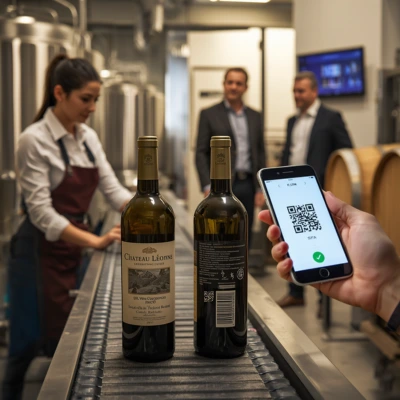
The European wine labelling regulation that came into force in December 2023 is the sector's main growth driver. All wines marketed in the European Union must now display the list of ingredients and nutritional values, pushing thousands of producers to adopt QR codes for the first time.
Anti-counterfeiting is a growing challenge, particularly in Asian markets where major French and Italian wines are most exposed. Encrypted NFC chips and blockchain solutions now enable any consumer to verify the authenticity of a bottle in seconds from their smartphone.
Finally, consumer data collection represents a revolution for producers who, historically, did not know their end customers. Connected labels allow them for the first time to measure where, when and how their wines are consumed worldwide, strategic information for directing their marketing and commercial efforts.
Tquatris, Bordeaux, France
Vinipedia, Paris, France
Selinko, Brussels, Belgium
Avery Dennison Smartrac, Amsterdam, Netherlands
Arianee, Paris, France (blockchain)
Nautiljon NFC, Bordeaux, France
Tagattitude, Paris, France
Digimarc, Beaverton, Oregon, USA
Cellr, Sydney, Australia
Vinotraq, Napa Valley, California, USA
NFC World, Cambridge, United Kingdom
WineChain, Geneva, Switzerland (blockchain)
MobileTrace, Lyon, France
Winelivery Tech, Milan, Italy
Would you like your company to appear on this page? Listings are reserved for Pro Premium members of Wine BHM.
Join the selection of producers on the platform.
Join the network*Featured listings are reserved for Pro Premium members, subject to terms and conditions.