The Languedoc wine region, formerly known as Languedoc-Roussillon, is located in the south of France and covers part of the Occitanie region, including Aude, Gard, Hérault, and Pyrénées-Orientales. It comprises 228,000 hectares of vineyards, 89,000 of which are AOC. This terroir produces a wide variety of wines: reds, rosés, whites, sparkling wines, and naturally sweet wines. With origins dating back to before the Narbonese Gaul, it is home to Blanquette de Limoux, considered the oldest sparkling wine in the world. Long perceived as wines of lesser quality, Languedoc wines enjoyed a revival in the 1980s, attracting more and more consumers thanks to an upgrade in quality and a focus on local expertise. The Appellation d'Origine Contrôlée (AOC) and Indications Géographiques Protégées (IGP) guarantee the quality and authenticity of the region's wines. Major wine-growing sub-regions include Minervois, Corbières, Pic Saint-Loup, and Faugères, each with its own unique terroir. Wine tourism is booming here, with wine routes and prestigious estates welcoming visitors from all over the world.
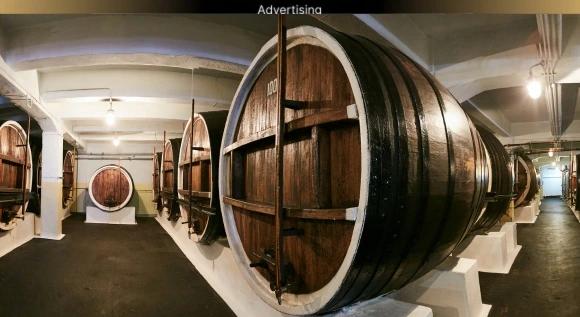
Languedoc wines have a history stretching back thousands of years. The region has been inhabited since prehistoric times, as evidenced by the Caune de l'Arago site in Tautavel (-700,000 years). With the Neolithic period, agriculture and livestock farming took root in Port-Leucate, laying the foundations for future viticulture. Even before the Romans founded Gallia Narbonensis, vines were already being cultivated, particularly using the gobelet method. The Romans then perfected viticultural techniques. In the Middle Ages, after a period of instability linked to invasions, vine cultivation developed on the hillsides. From the 13th century onwards, Languedoc wines began to be exported. Between the 16th and 18th centuries, wine production intensified with the rise of Muscat and new techniques such as grape drying. The 19th century marked a turning point: the railroad opened up new markets, but the vineyards were hit by several crises (powdery mildew, phylloxera, downy mildew). Despite these challenges, Languedoc became a major player in French wine, driven by the departments of Aude, Gard, Hérault, and Pyrénées-Orientales. Today, the region remains one of the largest wine producers, combining tradition and innovation.
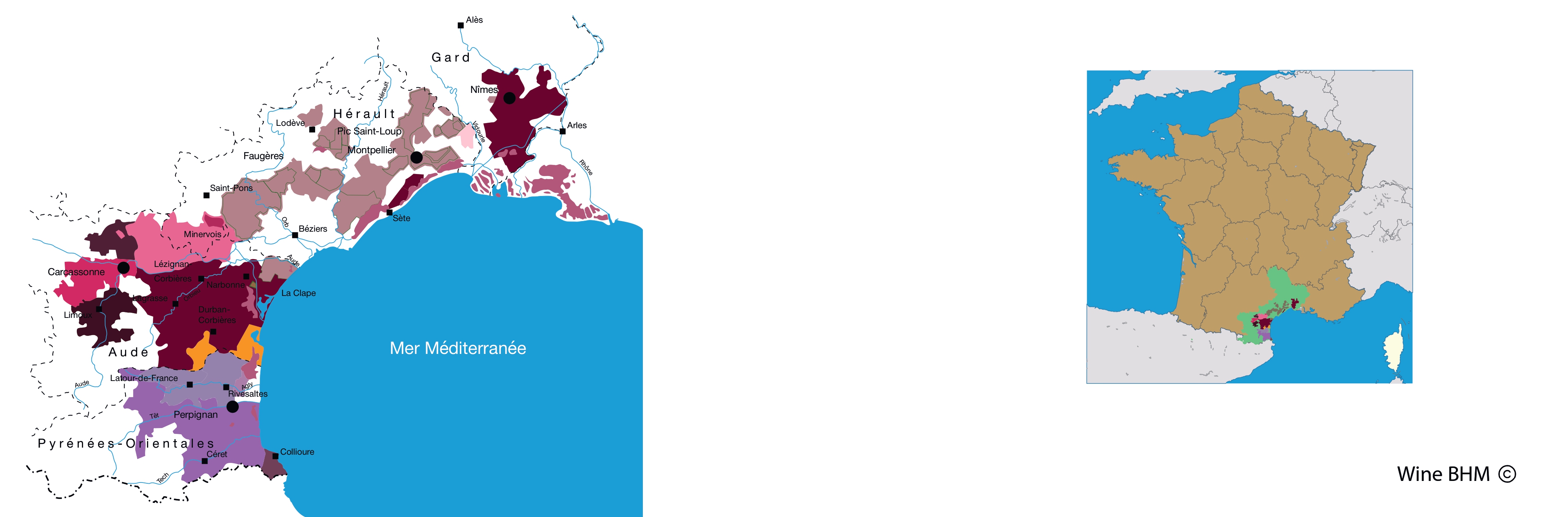
In Languedoc, appellations are classified according to their quality and reputation, with a structured system guaranteeing the excellence of the region's wines.
The Languedoc appellation: a label of quality
The AOC Languedoc appellation covers the entire region and includes several major wine-growing sub-regions:
Minervois
Corbières
Faugères
Pic Saint-Loup
Saint-Chinian
Terrasses du Larzac
This label protects regional expertise and ensures wines of character with strict production rules.
The Languedoc wine classification
The Languedoc has several quality appellations, organized according to their specific characteristics and their promotion by the interprofessional organization:
Regional AOCs
The Languedoc AOC covers the entire region and encompasses many terroirs and styles, guaranteeing authentic and expressive wines.
Specific AOCs
Certain appellations are particularly valued for their distinctive characteristics and the quality of their terroir, such as:
Minervois-La Livinière
Corbières-Boutenac
Saint-Chinian-Berlou et Saint-Chinian-Roquebrun
Terrasses du Larzac
La Clape
Pic Saint-Loup
IGP wines
These wines enjoy greater freedom to experiment with innovative grape varieties and blends, while remaining linked to a specific geographical area.
MAJOR GRAPE VARIETIES
The Languedoc region is home to renowned estates and independent winegrowers producing exceptional vintages. Among the best known are:
Mas de Daumas Gassac (Aniane)
Château Puech-Haut (Saint-Drézéry)
Domaine de la Grange des Pères (Aniane)
Domaine de l’Hortus (Pic Saint-Loup)
Château de la Négly (La Clape)
Château Capitoul (Corbières)
Domaine Léon Barral (Faugères)

AOC (Appellation d'Origine Contrôlée) appellations:
Languedoc
Pic Saint-Loup
Saint-Chinian
Minervois
Faugères
Corbières
Fitou
La Clape
Muscat de Lunel
Muscat de Mireval
Blanquette de Limoux (pour les effervescents)
Crémant de Limoux (pour les effervescents)
Limoux
Cabardès
Terrasses du Larzac
Clairette du Languedoc
Muscat de Frontignan
Muscat de Saint Jean de Minervois
List of Languedoc Grand Crus
La Clape
Terrasses du Larzac
Pic Saint-Loup
Corbières-Boutenac
Minervois-La Livinière
Saint-Chinian-Berlou
Saint-Chinian-Roquebrun
For over 30 years, the Languedoc wine region has established itself as one of the most dynamic in France, thanks to meticulous work on the terroirs and adaptation of grape varieties. This wine region produces a wide range of red, white, rosé, sparkling, and naturally sweet wines, appealing to both amateurs and connoisseurs alike.
Languedoc red wines: power and balance
Languedoc reds are made from iconic grape varieties such as Carignan, Grenache, Syrah, Mourvèdre, and Cinsault. These blends produce powerful wines with spicy and fruity aromas, perfect for accompanying Mediterranean dishes and grilled meats.
Languedoc white wines: freshness and complexity
White wines are made from grape varieties such as Grenache Blanc, Picpoul, Bourboulenc, Macabeu, and Clairette. In addition to these traditional varieties, Marsanne, Roussanne, and Vermentino are also used, bringing aromatic freshness and beautiful minerality. These whites are appreciated for their ability to enhance seafood, fish, and refined dishes.
Sparkling wines of Languedoc: Blanquette and Crémant de Limoux
Renowned for its sparkling wines, the region produces the famous Blanquette de Limoux and Crémant de Limoux. Made from Mauzac, Chardonnay, and Chenin grapes, these wines with fine bubbles and great elegance are perfect for aperitifs and special occasions.
Thanks to this great diversity of wines, Languedoc is now recognized as a benchmark for quality wines, combining tradition and innovation to appeal to wine lovers around the world.
Would you like to register your estate or promote it? Contact us
LANGUEDOC WINE ROUTE
An unmissable wine-tasting journey, the Languedoc Wine Route passes through prestigious appellations such as Pic Saint-Loup, Minervois, Saint-Chinian, Faugères, Corbières, and Limoux. This immersive journey invites you to taste exceptional wines, visit vineyards, take part in tasting workshops, and explore picturesque villages such as Lagrasse and Pézenas. You can also enjoy unique experiences: a night at a winery, a picnic in the heart of the vineyards, hiking and bike rides. A wine tour in the heart of the Languedoc region's terroir and wine-growing heritage.
DOMAINE O'VINEYARDS
A Family Vineyard in the Heart of Languedoc
Located near Carcassonne, Domaine O'Vineyards is a family vineyard renowned for its red, white, and rosé wines produced using biodynamic methods. The estate offers guided tours and tastings with breathtaking views of the hills and the medieval city. Immerse yourself in the art of wine, combining authenticity and conviviality.
CHATEAU DE FLAUGERGUES
A Wine-Growing Gem Near Montpellier
Château de Flaugergues, a historic estate near Montpellier, combines heritage and viticulture. It produces AOC Languedoc wines (red, white, and rosé), cultivated using environmentally friendly practices. Visit its listed gardens, take part in tastings, and immerse yourself in the history of this iconic château.
DOMAINE PREIGNES LE VIEUX
A Winemaking Heritage Dating Back to Roman Times
Located near Béziers, Domaine Preignes le Vieux produces a wide range of red, white, and sparkling wines. Its commitment to biodiversity and quality is reflected in its sustainable production methods. Enjoy guided tours, tastings, and outdoor activities in an authentic setting steeped in history.
DOMAINE TERRE DES TEMPLIERS
AOC Languedoc Wines and Historical Heritage
Located near Pézenas, Domaine Terre des Templiers is a vineyard steeped in history, specializing in the production of organic AOC Languedoc wines. With its guided tours, tastings, and events, the estate promotes quality, tradition, and respect for the terroir.
DOMAINE BOUDAU
Exceptional Wines in Côtes du Roussillon
Domaine Boudau, located near Perpignan, is renowned for its fruity and elegant wines produced using sustainable viticulture methods. This family estate invites you to discover its passion and expertise through tastings and guided tours in an enchanting wine-growing setting.
DOMAINE SEIGNEURIE DE PEYRAT
A Historic Vineyard in the Aude
Founded in the 17th century, Domaine Seigneurie de Peyrat produces wines of character in accordance with traditions and sustainable viticulture. Come and discover this exceptional estate, its history, and its exceptional wines.
MAISON GUINOT
Expertise and Excellence in Côtes du Roussillon
Maison Guinot produces refined, authentic wines using biodynamic and sustainable farming methods. Between tastings, guided tours, and immersion in the terroir, explore this world where passion and respect for the environment are at the heart of the winemaking process.
DOMAINE SARRAT DE GOUNDY
Tradition and Biodynamics in Faugères
Domaine Sarrat de Goundy, located in Languedoc, cultivates its vines biodynamically and offers powerful and authentic red wines made from local grape varieties. Enjoy an immersive experience at this committed family estate.
MAS DU NOVI
A Minervois Wine Treasure
Mas du Novi, located in Minervois, is a family-owned vineyard that produces high-quality red, white, and rosé wines using sustainable farming practices. Discover its elegant and authentic wines during tours and tastings in the heart of a picturesque landscape.
CHATEAU DU LUC – FABRE FAMILY
An Exceptional Mediterranean Vineyard
Run by the Fabre family, Château de Luc is a wine estate close to the Mediterranean. Its red, white, and rosé wines, made from traditional grape varieties, are of remarkable quality. Immerse yourself in its wine-growing world through tastings and tours.
PONT DU GARD
Wines and Roman Heritage
The Pont du Gard, an iconic site in the south of France, is home to a vineyard producing AOC Costières de Nîmes wines. This estate, committed to sustainable viticulture, offers tours and tastings for a unique experience combining history and terroir.
BAMBOUSERAIE EN CEVENNES
A Fusion of Nature and Viticulture
The Bamboo Garden in the Cévennes, located in Générargues, is famous for its unique botanical garden. It is also home to a vineyard that produces authentic wines from local grape varieties. A unique experience combining nature and wine.
THE ARENAS OF NIMES
History and Wines of Costières de Nîmes
The Arènes de Nîmes, an exceptional Roman monument, is associated with a wine estate renowned for its red, white, and rosé wines from Costières de Nîmes. A journey through time where history blends with the flavors of the Languedoc region.
THE CITY OF CARCASSONNE
A Wine Journey to the Heart of Heritage
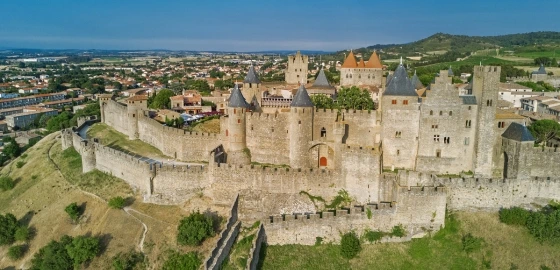
The Cité de Carcassonne, a UNESCO World Heritage Site, is surrounded by vineyards producing AOC Corbières and Minervois wines. Discover exceptional wines made from Syrah, Grenache, and Carignan grapes while exploring one of the most beautiful historical sites in France.
GASTRONOMY AND TASTING
Les Grands Buffets – Narbonne
Auberge du Vieux Puits – Fontjoncouse
La Table Saint Crescent – Narbonne
Le Clos des Sens – Annecy-le-Vieux
La Maison de Petit Pierre – Béziers
Le Jardin des Sens – Montpellier

Join the selection of producers on the platform.
Join the network*Featured listings are reserved for Pro Premium members, subject to terms and conditions.