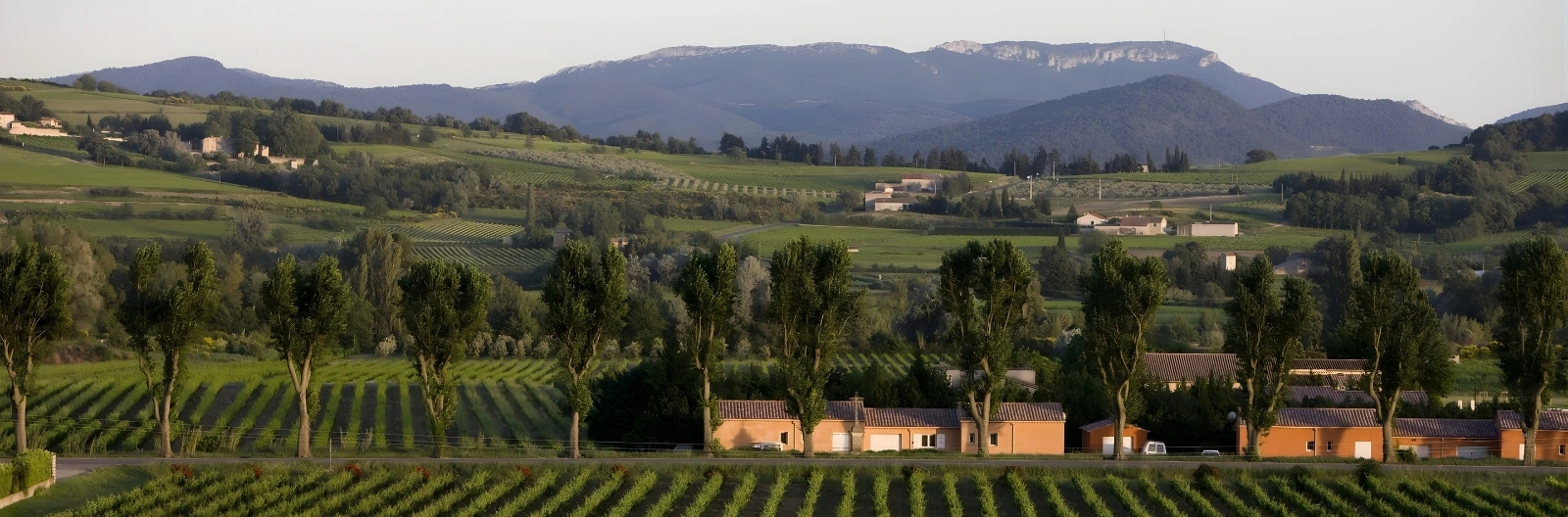
TheLoire Valley vineyards cover approximately 57,000 hectares, a large part of which is classified as AOC (Appellation d'Origine Contrôlée) and AOVDQS (Appellation d'Origine Vin Délimité de Qualité Supérieure). Production reaches approximately 4 million hectoliters of wine per year.
The region comprises four main areas: the Pays Nantais, Anjou, Touraine, and Centre-Loire. The Loire River and its tributaries influence the terroir, which enjoys a temperate climate.
The diversity of soils and grape varieties allows for a wide range of wines: dry, semi-dry, sweet, or syrupy whites; light reds; rosés; and sparkling wines.
Red grape varieties include Cabernet Franc, Gamay, and Pinot Noir, while whites come from Chenin, Sauvignon, and Melon de Bourgogne. This diversity makes the Loire an iconic wine region that is highly appreciated by French wine lovers.
HISTORY OF LOIRE VALLEY WINES
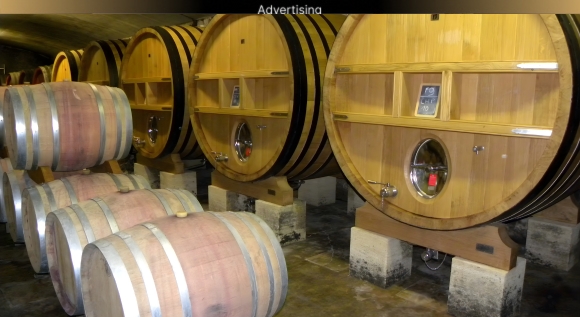
Vines were introduced by the Romans around 2,000 years ago. In the 4th century, Saint Martin promoted their development. In the 10th century, trade reinforced their expansion, and the Dukes of Brittany introduced grape varieties such as Berligou.
The accession of Henry II to the English throne in 1154 gave a boost to the Anjou vineyards. From the Middle Ages to the 15th century, viticulture flourished around Angers, Saumur, and Orléans. In modern times, Francis I facilitated trade in 1532, stimulating quality production.
In 1709, a harsh winter destroyed the vineyards of Nantes, which were replaced by Melon de Bourgogne. The Revolution and the phylloxera crisis weakened the vineyards in the 19th century. AOCs appeared in 1936, and the Loire Valley was classified as a UNESCO World Heritage Site in 2000.
THE WINES OF THE LOIRE VALLEY
The wines of the Loire Valley are distinguished by their diversity and elegance.
This region produces white, red, rosé, and sparkling wines to suit all tastes.
White wines: from dry (Sancerre, Muscadet) to sweet or syrupy (Coteaux-du-Layon, Bonnezeaux), made from Chenin Blanc, Sauvignon, and Melon de Bourgogne grapes.
Red wines: light and fruity, mainly made from Cabernet Franc (Chinon, Saumur-Champigny), Gamay, and Pinot Noir.
Rosé wines: fresh and delicious, such as Rosé d'Anjou and Cabernet d'Anjou.
Sparkling wines: Crémant de Loire and Saumur Brut rival the best sparkling wines.
SANCERRE
An ancestral history
Although the myths and legends surrounding Sancerre suggest that the vineyard has existed since ancient times, it was not until 582 and Gregory of Tours that its existence was recorded in writing. In the 12th century, thanks to the support of the Augustinian monks and the Counts of Sancerre, the wine region experienced considerable growth. Production, then consisting mainly of red wine made from Pinot Noir, was exported via the Loire and mentioned in the royal writings of the time. It was even considered the best wine in the kingdom by Duke Jean de Berry. When phylloxera ravaged the vines, the Sancerre region's revival was due to Sauvignon Blanc, a grape variety particularly suited to the climate. Its quality was recognized in 1936, when it was awarded AOC status. Twenty-three years later, red and rosé wines also received this status.
The uniqueness of the terroir
Located on the left bank of the Loire River, in the central wine-growing region, the Sancerre appellation covers 2,770 hectares. Perched on a rocky outcrop, the town overlooks the river and its vineyards. The latter has a limestone geological base dating from the Kimmeridgian, Portlandian, and Oxfordian periods. But over time, the bedrock has gradually eroded, giving rise to different types of soil. On the hills furthest to the west of the appellation, the soil is predominantly white clay-limestone. To the east, the terrain is characterized by clay-siliceous soils. Finally, there are the “caillotes,” stony, limestone soils typical of the region. The climate here is semi-continental. In addition, there are numerous microclimates due to the multiplicity of hills and slopes, which favor differences in exposure.
A wide range
The Sancerre vineyard is mainly renowned for its production of white wines. Fresh and fruity, they offer a whole range of nuances depending on the type of soil. The nose reveals remarkable finesse, dominated by notes of citrus, acacia, flint, and gunflint. Lively and straightforward, with superb structure, they seduce with their long finish and mineral and floral notes. These delicate wines have an aging potential of at least fifteen years.
The reds are characterized by their fullness. Light, fragrant, refined, and delicious, they have a structure that is both light and deep. The tannins are mellow and silky on the palate. The aromatic bouquet delivers notes of cherry and hints of roasted flavors. However, their aging potential is less than that of the whites.
Tender and subtle, rosé wines are the rarest in this appellation. The nose, very fruit-forward, is surprising. Citrus fragrances accompany notes of yellow and white fruits. The palate is taut, round, and very fresh.
SAUMUR
A complicated evolution
The first written records of the Saumur vineyards date back to the year 515. They then developed rapidly under the influence of the monasteries that were established in the area. Its geographical location close to the Loire encouraged exports. At that time, it was one of the most prosperous markets on the banks of the river. This combination of circumstances was beneficial for Saumur, and was further enhanced by the protection of the Counts of Anjou.
Over the centuries, the evolution of the vineyard was proportional to that of the town. It thus struggled to transition from its splendor as a Protestant religious capital to decline following the revocation of the Edict of Nantes (an edict of tolerance that granted rights to Protestants). Trade collapsed and the number of winegrowers declined sharply. They therefore decided to focus on higher quality production. The following century was devastating, with the heavy frosts of 1789, the Revolution, the Wars of the Vendée, and phylloxera. It took 20 years for the vineyards to rebuild and regain their former glory.
A variety of terroirs
The Saumur vineyard is mainly characterized by sedimentary soils from the Cretaceous period, the white soils of Tuffeau. Bordered to the north by the Loire River, the Saumur region is crossed by the Thouet and its tributary, the Dive, rivers that influence and regulate the climate.
There are four distinct terroirs. To the north is the Cuesta, a very rugged landscape. With a long tradition of wine growing, this production area has vineyards and estates that have been renowned for centuries. To the southwest, a system of faults extends those of the neighboring Layon region. This has resulted in the elevation of a flinty clay plateau, mainly occupied by vineyards. To the south of the major fault line of this geological feature are heavily eroded Cretaceous soils. Finally, on the Turonian hillsides bordering the riverbank, Cabernet Franc, Chenin, Pineau Aunis, Cabernet Sauvignon, and Chardonnay vines are cultivated more sparsely, but still reveal a beautiful vineyard. In addition, the Saumur region is a climatic enclave, combining very low rainfall with mild temperatures.
Subtle whites
Saumur wines embody all the finesse and elegance of the Loire Valley. The whites, lively and fruity, impress with their fullness. On the nose, notes of exotic fruits and citrus dominate, with a preference for grapefruit. The palate is frank and powerful, revealing richness and remarkable personality. Over the years, they evolve towards iodine fragrances, developing roundness and freshness.
POUILLY-FUME
The impact of the Benedictines
The origins of Pouilly Fumé date back to Gallo-Roman times. But it was not until much later that it really began to flourish, thanks to religious congregations, particularly the Benedictines. As monks had no personal or family needs, it was much easier for them to manage the long-term profitability of vine cultivation. The Church acquired new land at the end of the 11th century. When local lords left on crusades, they sold their property to finance their journey, which presented an opportunity for the Benedictines. From the 13th century onwards, Pouilly wines were finally served at royal tables and enjoyed by crowned heads. The vineyards were cultivated by communities of winegrowers until they obtained the right to become owners after the Revolution of 1789. The development of the vineyard was then favored by the presence of the Loire River. After being ravaged by mildew and then phylloxera at the end of the 19th century, the production area was rebuilt and obtained AOC status in 1937.
Why “smoky”?
While the name “Pouilly” comes from the commune of Pouilly-sur-Loire, there are two explanations for the word ‘fumé’ (smoky). The first is linked to Sauvignon Blanc, the grape variety from which this wine is made. When ripe, its grapes are covered with a gray bloom, giving them a “smoky” color. The second is linked to the terroir, which gives the wine its unmistakable aromas of gunflint or struck flint. The winegrowers of Pouilly began to refer to it as blanc fumé (smoky white), giving the wine its distinctive name.
A geological lace
From a geological point of view, the region is part of the Burgundy block, with the oldest soils dating back to the Jurassic period. There are four types of soil: Villiers limestone from the Oxfordian period, Kimmeridgian marl with small oysters, Barrois limestone from the Portlandian period, and Cretaceous flint clay. All of them contain marine limestone deposits that give the wines their minerality and a high capacity to retain minerals. The behavior of the vines tends to vary depending on these different soils. In the presence of limestone, they will sink their roots less deeply than in marl, as the deeper layers are poorer in nutrients. Nevertheless, the soil generally retains good structural stability and good water reserves.
A wide variety of nuances
While all Pouilly-Fumé wines have Sauvignon Blanc in common, along with a lovely complexity and an unmatched aromatic palette, they evolve differently depending on their terroir. On limestone soils, they display a beautiful freshness and liveliness. Often, in wines that are ready to drink, their aromas are more focused on fruit and vegetal notes. Marl soils produce firm, refined wines with excellent aging potential. Flint imparts spicy, mineral notes and often requires one to two years of aging before it can be fully appreciated. Finally, clay-siliceous soils produce soft, supple, and balanced wines.
MAIN GRAPE VARIETIES
White grape varieties:
-Chenin blanc (Anjou, Saumur, Touraine, Vouvray, Montlouis-sur-Loire, Savennières, Coteaux du Layon, etc.)
-Sauvignon blanc (Sancerre, Pouilly-Fumé, Menetou-Salon, Quincy, Reuilly, Touraine, etc.)
-Melon de Bourgogne (Muscadet, Pays Nantais)
-Chardonnay (Saumur, Crémant de Loire, some Touraine)
-Romorantin (Cour-Cheverny)
Red and rosé grape varieties:
-Cabernet Franc (Saumur-Champigny, Chinon, Bourgueil, Saint-Nicolas-de-Bourgueil, Anjou-Villages, etc.)
-Gamay (Touraine, Cheverny, Coteaux du Vendômois, Anjou-Gamay, etc.)
-Pinot Noir (Sancerre Rouge, Menetou-Salon, Châteaumeillant, Reuilly, etc.)
-Grolleau (Cabernet d'Anjou, Rosé d'Anjou)
-Pineau d'Aunis (Coteaux du Loir, Jasnières, Touraine-Noble-Joué, etc.)
-Côt (Malbec) (Touraine, Valençay)
LIST OF APPELLATIONS
Pays Nantais:
Muscadet, Muscadet Sèvre-et-Maine, Muscadet Coteaux de la Loire, Muscadet Côtes de Grandlieu, Gros Plant du Pays Nantais, Coteaux d'Ancenis, Fiefs Vendéens
Anjou-Saumur:
Anjou, Anjou-Gamay, Anjou-Villages, Anjou-Villages Brissac, Bonnezeaux, Cabernet d’Anjou, Cabernet de Saumur, Coteaux de l’Aubance, Coteaux du Layon, Coteaux du Layon 1er Cru Chaume, Coteaux de Saumur, Quarts de Chaume Grand Cru, Rosé d’Anjou, Rosé de Loire, Savennières, Savennières Coulée de Serrant, Savennières Roche aux Moines, Saumur, Saumur-Champigny, Saumur Puy-Notre-Dame, Crémant de Loire
Touraine:
Touraine, Touraine-Amboise, Touraine-Azay-le-Rideau, Touraine-Chenonceaux, Touraine-Mesland, Touraine-Noble-Joué, Bourgueil, Chinon, Saint-Nicolas-de-Bourgueil, Vouvray, Montlouis-sur-Loire, Jasnières, Coteaux du Loir, Coteaux du Vendômois, Cheverny, Cour-Cheverny, Valençay, Orléans, Orléans-Cléry
Centre-Loire:
Sancerre, Pouilly-Fumé, Pouilly-sur-Loire, Menetou-Salon, Quincy, Reuilly, Coteaux du Giennois, Châteaumeillant, Côtes d’Auvergne, Côte Roannaise, Côtes du Forez, Saint-Pourçain.
Would you like to register your estate or promote it? Contact us
WHAT TO DO – WHAT TO VISIT
THE LOIRE VALLEY WINE ROUTE
Stretching for around 800 km, the Loire Valley Wine Route passes through landscapes listed as UNESCO World Heritage Sites, connecting the Atlantic to central France. This route invites you to discover an exceptional diversity of vineyards and terroirs.
The Wine Regions:
-Pays Nantais: Famous for Muscadet, a dry white wine that is ideal with seafood.
-Anjou-Saumur: Offers a variety of wines, from elegant reds to sweet whites, not to mention the fine bubbles of Saumur.
-Touraine: Home to the Vouvray, Chinon, and Touraine-Amboise appellations, offering a range of white, red, and sparkling wines.
-Centre-Loire: Home to the renowned Sancerre, Pouilly-Fumé, Menetou-Salon, and Quincy, dry and aromatic white wines.
Must-see experiences:
-Visits to troglodytic cellars: Explore cellars dug into the tuffeau stone, typical of the region, where exceptional wines are aged.
-Wine tastings at the vineyards: Meet passionate producers and discover their unique expertise.
-Food and wine pairings: Savor local specialties accompanied by matching wines for a complete gastronomic experience.
-Vineyard tours: Explore parts of the vineyards on foot, by bike, or by boat along the Loire River, where possible.
CHAMBORD CASTLE
Chambord Castle is a masterpiece of the French Renaissance, located in the Loire Valley region. Built between 1519 and 1547 during the reign of Francis I, it is a symbol of power and refinement. This imposing castle combines Italian and French influences, with complex architecture marked by a double central staircase in a double helix, sometimes attributed to Leonardo da Vinci according to some sources. Chambord is surrounded by a vast 5,440-hectare park, the largest enclosed park in Europe, formerly used as a royal hunting reserve. The castle also houses numerous works of art and historic furniture. Listed as a UNESCO World Heritage Site, it remains a must-see for lovers of history and architecture.
THE CITY OF TOURS
Tours is a city located in central-western France, in the Centre-Val de Loire region, crossed by the Loire River. It is known for its rich historical heritage, particularly its medieval and Renaissance monuments. The city is a dynamic cultural and university center, with iconic sites such as Saint-Gatien Cathedral, Place Plumereau, and Vieux Tours, home to charming half-timbered houses. Tours is also renowned for its gardens, such as the Botanical Garden, and its role in the region's wine industry. The city is an ideal starting point for exploring the Loire Valley, famous for its castles, as well as its culinary specialties and wine.
CHATEAU D’AZAY LE RIDEAU
The Château d'Azay-le-Rideau is an elegant Renaissance castle located in the Loire Valley, near Tours. Built in the early 16th century by financier Gilles Berthelot, it is a perfect example of the architecture of the period, harmoniously blending medieval style with Italian Renaissance influences. The castle stands on an island in the middle of the Indre River, surrounded by landscaped grounds. Its façade, with its mullioned windows and slate roofs, is beautifully reflected in the lake. Azay-le-Rideau is famous for its refinement, its sculpted details, and its discreet elegance. Listed as a historic monument, it embodies the spirit of the era and remains one of the jewels of French heritage.
THE ROYAL CHATEAU OF AMBOISE
The Royal Chateau of Amboise is an imposing castle overlooking the Loire River in Amboise, in the Loire Valley. Its history dates back to the Middle Ages, but it was in the 15th and 16th centuries, under Charles VIII and Francis I, that it took on its current form, with renovations influenced by the Renaissance. The castle is known for its architecture, which blends medieval and Renaissance styles, notably its terraces and majestic spiral staircase. It was a royal residence mainly in the 15th and 16th centuries. The castle also houses the tomb of Leonardo da Vinci, who lived in Amboise at the invitation of Francis I. Listed as a historic monument, it remains a symbol of royal power and the art of living of that time.
THE CHÂTEAU DU CLOS LUCE
The Château du Clos Lucé is a castle located in Amboise, in the Loire Valley, famous for having been Leonardo da Vinci's residence from 1516 until his death in 1519. This 15th-century manor house, surrounded by magnificent grounds, was converted by King Francis I to accommodate the Italian artist. The Clos Lucé is a veritable place of remembrance, where visitors can discover Leonardo da Vinci's inventions and sketches through models and interactive exhibitions. The château retains an intimate atmosphere and a special charm, with rooms furnished in the style of the period, a garden, and a network of tunnels connecting the château to the Château d'Amboise. Listed as a historic monument, Clos Lucé is a must-see for art and history lovers.
SAINT-GRATIEN CATHEDRAL
Saint-Gatien Cathedral is a masterpiece of Gothic architecture located in Tours, in the Loire Valley. Built between the 12th and 16th centuries, it is dedicated to Saint Gatien, the first bishop of Tours. The cathedral is distinguished by its majestic façade, adorned with detailed sculptures, and its two imposing towers rising to over 65 meters. Inside, visitors can admire remarkable stained glass windows dating from the 14th and 15th centuries, as well as a remarkable collection of frescoes and chapels. Its architecture harmoniously combines the early Gothic and flamboyant Gothic styles. Listed as a historic monument, the cathedral Saint-Gatien remains a symbol of the city of Tours and a major place of worship in the region.
SAINTE-CROIX CATHEDRAL IN ORLEANS
Sainte-Croix Cathedral in Orleans is an iconic religious building in the city of Orleans, located in the Loire Valley. Built in the Gothic style, its construction began in the 13th century and continued until the 17th century. It is dedicated to the Holy Cross and is particularly known for its 13th- to 18th-century stained glass windows, which illustrate biblical scenes. Its imposing facade, flanked by two towers, features refined sculpted details and a large central rose window. The interior of the cathedral is vast and bright, housing magnificent chapels and high-quality sculptures. A symbol of the city, the cathedral is also an important place of pilgrimage, particularly for celebrations related to Joan of Arc, who played a key role in the city's history.
ARMORED VEHICLE MUSEUM
The Armored Vehicle Museum is located in Saumur, in the Loire Valley, and is one of the largest museums in the world dedicated to armored vehicles. It houses an impressive collection of over 800 vehicles, ranging from the first tanks of World War I to modern models. The museum traces the history of armored vehicles through the ages, presenting rare pieces and iconic vehicles used in major conflicts. Visitors can discover tanks, transport vehicles, self-propelled guns, and specialized vehicles, all accompanied by educational exhibits and military artifacts. Ranked among the most visited museums in France, the Armored Museum is a must-see for enthusiasts of military history and technology.
PLACE PLUMEREAU
Place Plumereau is one of the most picturesque and lively squares in the city of Tours, located in the historic district of Vieux Tours. Surrounded by half-timbered houses dating from the Middle Ages and the Renaissance, this typical square offers a charming and authentic setting, with its colorful facades and small cobbled streets. It is a popular meeting place for locals and visitors alike, offering a friendly atmosphere thanks to its cafés and restaurants with outdoor seating. The square is also an ideal place to stroll and discover the city's history while enjoying its lively atmosphere. Listed as a heritage site, Place Plumereau is the beating heart of Tours.
TOURS BOTANICAL GARDEN
The Botanical Garden of Tours is a public garden located in the heart of the city, offering an oasis of greenery and tranquility. Created in the 19th century, this 3-hectare garden is a pleasant place to stroll, ideal for nature and botany lovers. It is home to a wide variety of plants, mainly local, with a few rare or exotic species, divided into several thematic collections. The garden also has an area dedicated to medicinal plants, a rose garden, and an arboretum. In addition to its rich flora, it offers breathtaking views of the Cher River and is the perfect place to relax outdoors. The Botanical Garden of Tours is a peaceful and educational site, perfect for the curious and nature lovers.
GASTRONOMY AND TASTING

Join the selection of producers on the platform.
Join the network*Featured listings are reserved for Pro Premium members, subject to terms and conditions.