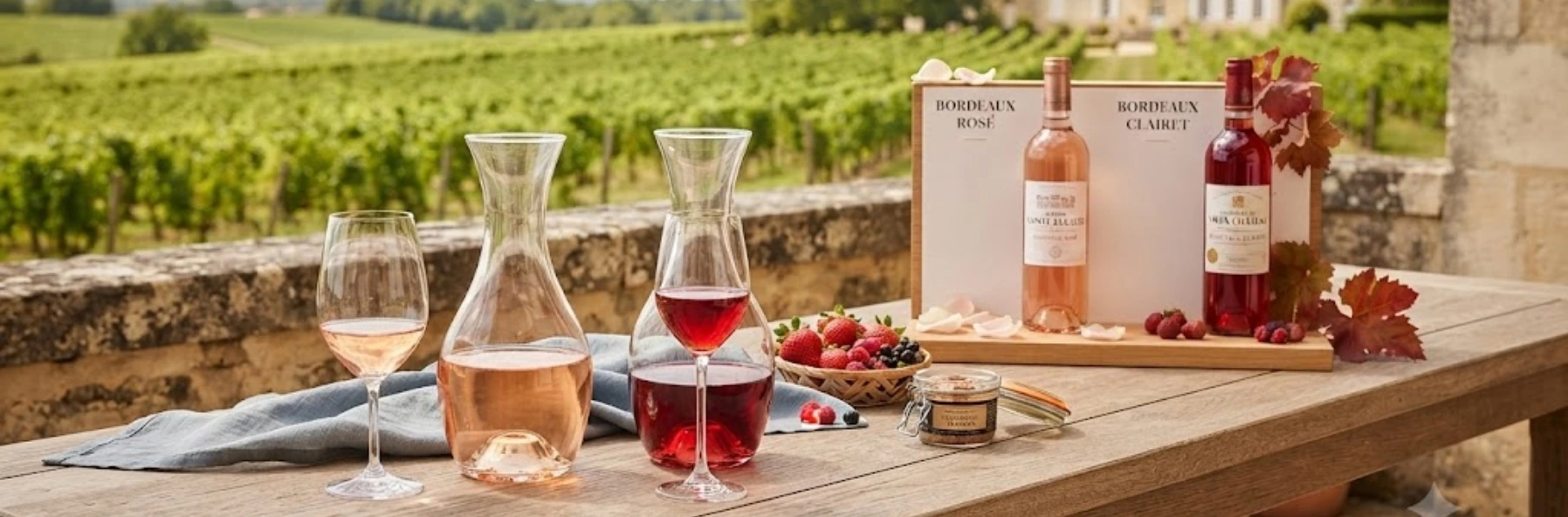
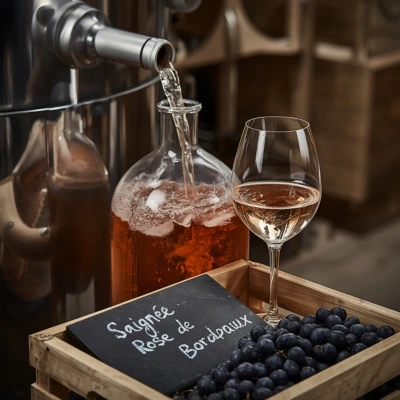
Covering 4,046 hectares, the Bordeaux Rosé vineyard has seen its production multiply twelvefold in 20 years. A distinct appellation within the universe of Bordeaux grands crus, this zone now figures as one of the most important in rosé production. Most commonly, these are saignée rosés. This means that after a short maceration in the vat (12 to 18 hours), and before fermentation, a certain quantity of juice is drawn off. This juice is then vinified in the same way as a white wine, without further maceration. This method notably increases the concentration of the remaining red wine, which is then in contact with a greater volume of must.
There are also two other techniques for rosé production. The first, maceration, begins in the same way as saignée. The grapes release pulp, skin, pips and juice over 24 hours to obtain the desired colour. The must is then pressed to separate the solid part from the juice, which will ferment alone later. The second is called pressing. This involves pressing whole or destemmed bunches directly after harvest. The collected juice is then placed in a vat for fermentation. Generally lighter-coloured wines are obtained using this method.
Extending over 925 hectares, the Bordeaux Clairet appellation constitutes an intermediate between red wine and rosé, steeped in great history. The Battle of Castillon in 1453 put an end to three centuries of English presence in the region, which had greatly favoured the export of Bordeaux wines. "Clairet" is moreover derived from the English "claret". The red wines of the time were far less concentrated and lighter in colour. They were very close to today's clairets. After the end of the Hundred Years' War, the English began sourcing from the Douro region in Portugal. Wines from this area are the product of long maceration. They are richer, more tannic and more coloured. Bordeaux then adapted to the new desires of its consumers, embarking on a logic of terroir selection, yield limitation and barrel ageing.
Despite this new philosophy, Bordeaux continued the production of its clairets, a true singularity of the zone. These are in fact rosés benefiting from a longer maceration (24 to 48 hours). The more sustained juice releases fragrances more oriented towards red fruits. They are at once denser than classic rosés but share with them an abundant fruitiness and beautiful freshness. More vinous and intense, they appear as a lovely compromise between red and rosé. They are made from a blend of Merlot, Cabernet Franc, Cabernet Sauvignon, Petit Verdot, Malbec or Carmenère. Their aromatic fullness, soft tannins and suppleness are as convincing as their herbaceous and smoky nuances.
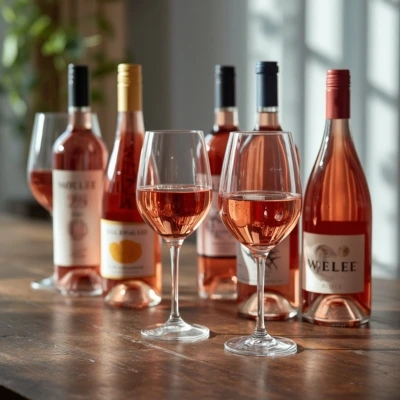
Clairet is not the only wine to create confusion in the growing rosé market. Others exist, such as Cabernet d'Anjou. It comes from the AOC Anjou in Maine-et-Loire. Off-dry to medium-sweet, it is made from a blend of Cabernet Franc and Cabernet Sauvignon. Its 4,450 hectares produce wines with a purple robe and lively nose. Here, after fermentation, the must must show a sugar level of at least 10 g/l. Pleasant, fresh, suave, lively and mellow, it is a very fine representation of its terroir of schists and faluns — rocks made up of shells. It is a wine for ageing with a mentholated finish whose aromas of raspberry, rose and boiled sweets evolve towards notes of candied fruit and orange peel.
This unique appellation in the Rhône Valley has been producing exclusively rosé wines for centuries. An ancestral tradition that earns it the title of king of rosés. Indeed, King Philippe Le Bel and the popes of Avignon were great admirers of it. Benefiting from a Mediterranean climate and a soil of sand, rolled pebbles and clay alluvium, it seduces with its richness and complexity. Tavel has succeeded in putting an end to the image of rosés as mere thirst-quenchers, with powerful, structured and generous wines of deep pink colour and fine ageing potential.
Grenache Noir (dominant) is complemented by Cinsault, Mourvèdre and Syrah, Carignan and white grape varieties such as Clairette, Picpoul and Bourboulenc. Its floral and fruity fragrances are particularly appreciated, evolving with age towards notes of red fruits, toasted almonds and spices.
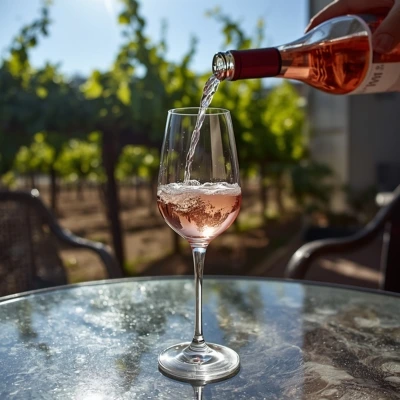
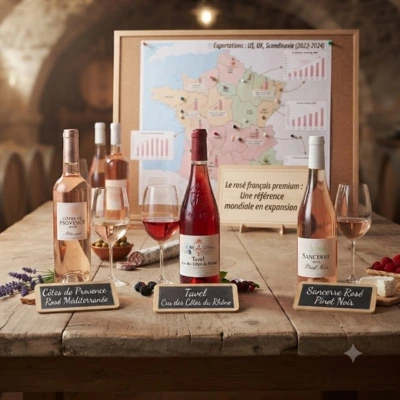

France is the world's leading consumer of rosé wines, with consumption now representing more than 30% of the volumes of still wines consumed on French territory. Provence remains the reference region with its pale and delicate rosés, but Bordeaux, the Rhône and the Loire offer equally legitimate and often more complex alternatives.
On the export front, French rosés are experiencing remarkable growth, driven by the enthusiasm of American, British and Scandinavian markets for quality rosé wines. International importers and wine merchants have greatly contributed to spreading the image of a premium French rosé, far removed from the clichés of the summer thirst-quencher.
Would you like your domaine or your company to appear on this page? Featured listings are reserved for Wine BHM Pro Premium members.
Join the selection of producers on the platform.
Join the network*Featured listings are reserved for Pro Premium members, subject to terms and conditions.