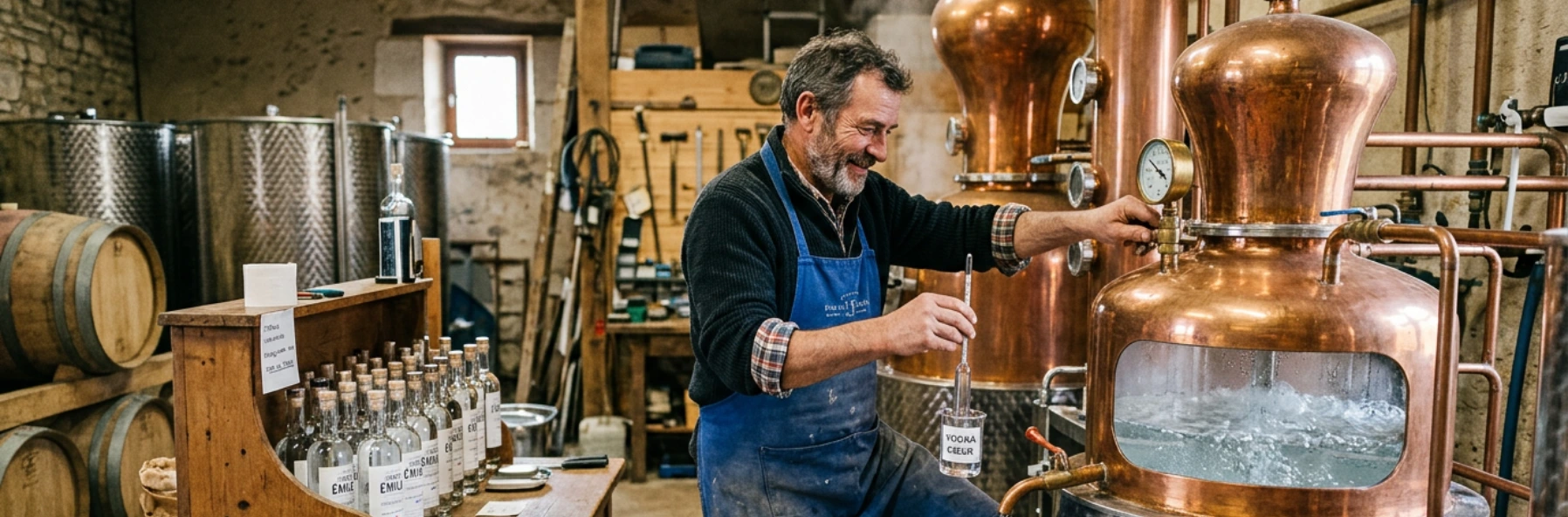
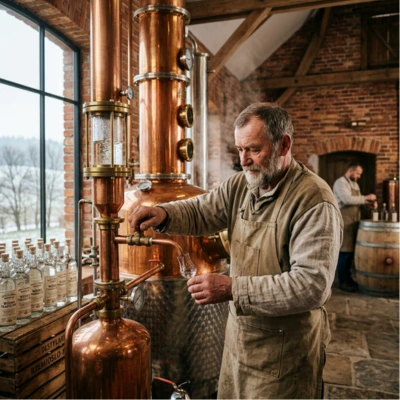
A vodka producer is a distiller specialising in the elaboration of vodka, a neutral and pure spirit obtained by the fermentation and distillation of starch or sugar-rich raw materials: cereals (rye, wheat, barley, corn), potatoes, grapes, beet or even milk. Vodka is the world's best-selling and most versatile spirit, consumed neat, chilled, or as a cocktail base.
Contrary to what one might think, vodka is not a characterless spirit. The best artisanal vodkas clearly express the raw material used, the terroir of the water and the distiller's know-how. Purity and smoothness on the palate are the criteria of excellence for a great vodka.
The origins of vodka are the subject of a historical dispute between Poland and Russia. The Poles claim a first mention as early as the 8th century, while the Russians place the invention of their voda (water) in the 14th century. This debate was even brought before international tribunals in the 1970s.
For centuries, vodka was produced artisanally in every Eastern European peasant household. It was in the 19th century that industrial production developed, particularly with the introduction of continuous column distillation, which made it possible to obtain spirits of a purity and neutrality never previously achieved.
Vodka conquered Western markets in the 20th century, first through Russian and Polish emigrants, then through American cocktail culture of the 1950s-1960s. Today, vodka represents approximately 30% of the global spirits market and is produced on every continent.
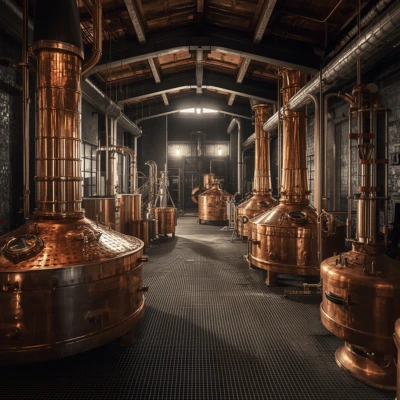
Vodka production begins with the selection of raw materials. Rye gives spicy and characterful vodkas, wheat produces soft and creamy vodkas, potato provides roundness and body, while grape brings elegance and finesse.
After the fermentation of raw materials by selected yeasts, distillation generally takes place in continuous column stills, sometimes multiple, to obtain a highly pure alcohol. Rectification (repeated distillation) and filtration through activated charcoal or other materials are key steps to eliminate impurities and refine the organoleptic profile.
Dilution and final filtration with selected spring water constitute the last steps before bottling. The quality of the water is paramount: it largely determines the final softness and texture of the vodka.
According to data from the IWSR (International Wine and Spirits Research):
Approximately 500 million cases of vodka sold worldwide each year — IWSR
Russia and Poland remain the world's two leading vodka-producing powers — IWSR
The United States is the world's largest vodka consumption market — IWSR
Over 50% of vodka consumed in Russia is produced locally — IWSR
Craft vodka is the fastest growing segment of the market — IWSR, 2022

Polish rye vodka — Poland, Polish rye, spicy and complex character, millennial distilling tradition
Polish potato vodka — Poland, Podlachia and Masuria, characteristic roundness and body
Russian vodka — Russia, wheat or rye, purity and neutrality, birch charcoal filtration
Swedish vodka — Sweden, wheat from the Skåne plain, soft and creamy style, Absolut leading
French vodka — France, wheat or grape, elegant style, Grey Goose and Cîroc
Ukrainian vodka — Ukraine, local wheat and rye, Nemiroff and Khortytsa
Finnish vodka — Finland, summer barley, pure glacial waters, Finlandia
American vodka — USA, mainly corn, neutral and accessible style
Craft vodka worldwide — craft trend, local and unusual raw materials (quinoa, spelt, milk)
Grape vodka — France and other wine-producing countries, elegant and fruity style, Cîroc and Circé
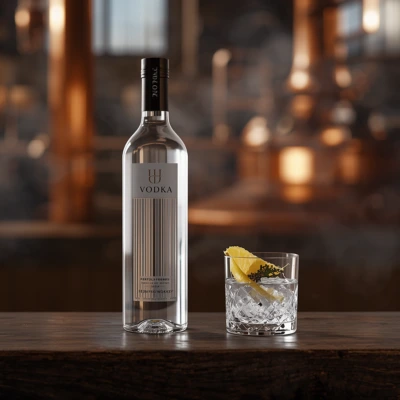
Vodka faces a paradox: it remains the world's best-selling spirit but its image suffers from the rise of premium whiskies, gins and rums. The industry's response is premiumisation: multiplication of artisanal vodkas, valorisation of local raw materials, transparency on production methods and premium packaging.
The craft vodka movement is experiencing a global explosion. Artisanal distilleries are springing up everywhere, from Alaska to New Zealand, via France and Japan, producing locally expressive vodkas that challenge the big industrial brands on the ground of authenticity and taste.
Finally, flavoured vodkas are experiencing a revival, particularly thanks to cocktail culture. Natural infusions of lemon, berries, chilli or truffle are attracting a new generation of consumers seeking originality and intense flavours.
Belvedere — Żyrardów, Poland
Chopin — Krzesk, Poland
Wyborowa — Poznań, Poland
Żubrówka — Białystok, Poland
Grey Goose — Cognac, France
Cîroc — Gaillac, France
Absolut — Åhus, Sweden
Finlandia — Koskenkorva, Finland
Stolichnaya — Riga, Latvia
Russian Standard — Saint Petersburg, Russia
Ketel One — Schiedam, Netherlands
Tito's Handmade Vodka — Austin, Texas, USA
Skyy — San Francisco, California, USA
Nemiroff — Nemirov, Ukraine
Pravda Vodka — Lviv, Ukraine
Reyka — Borgarnes, Iceland
Konik's Tail — Podlachia, Poland
Distillerie de Paris — Paris, France
Snow Leopard — Lublin, Poland
Bimber Distillery — London, England
Arbikie — Angus, Scotland
Aylesbury Duck — Vancouver, Canada
Vodka XO — Paris, France
Circé — Cognac, France
Darnley's — Kingsbarns, Scotland
Purity Vodka — Ellinge Castle, Sweden
Would you like your company to appear on this page? Listings are reserved for Pro Premium members of Wine BHM.
Join the selection of producers on the platform.
Join the network*Featured listings are reserved for Pro Premium members, subject to terms and conditions.