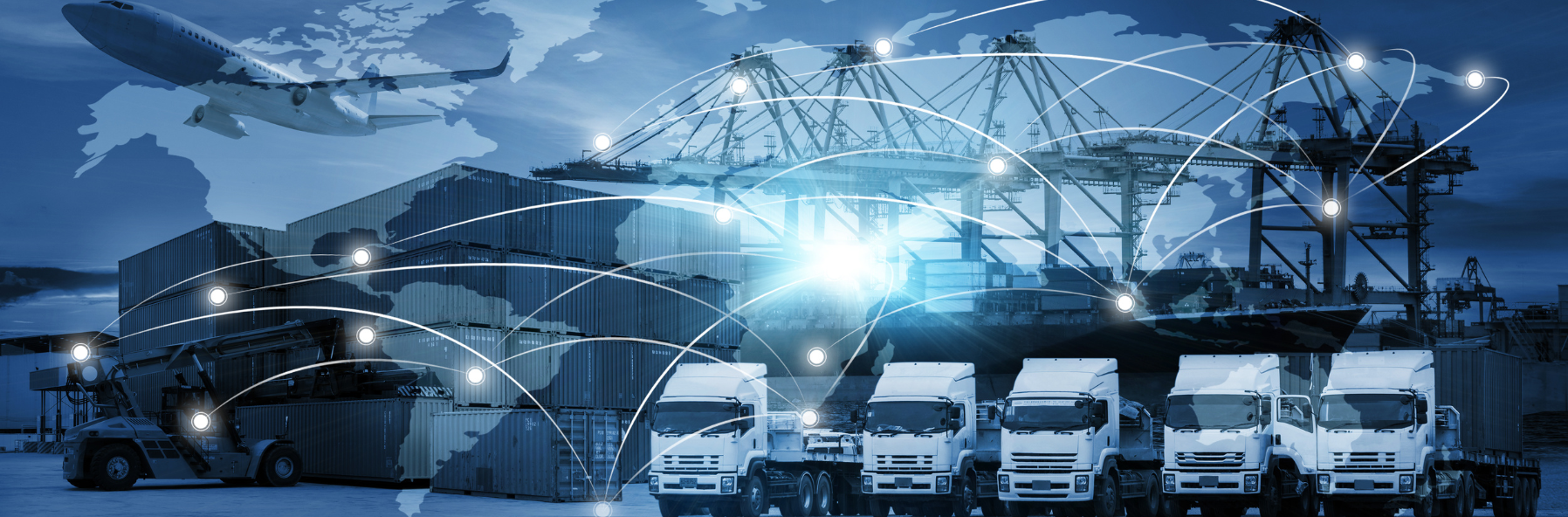
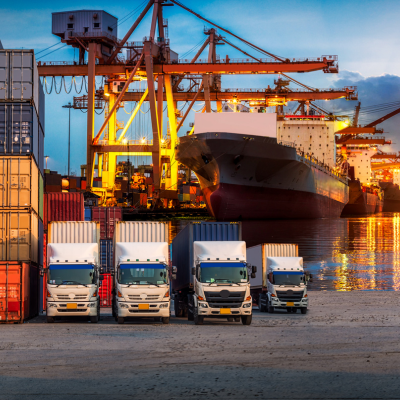
A wine & spirits transporter is a logistics provider specialising in the shipment of bottles, cases and containers of alcoholic beverages from the producer to the distributor, importer or end consumer. They handle road, rail, maritime or air transport according to the destination and urgency, respecting the specific constraints related to product fragility, transport temperatures and customs regulations specific to each country.
Wine & spirits are fragile products, sensitive to shocks, temperature variations and light. Poorly managed transport can irremediably alter the quality of a fine wine. The specialist transporter is therefore a strategic partner for any producer or négociant seeking to preserve the integrity of their product all the way to the consumer's glass.
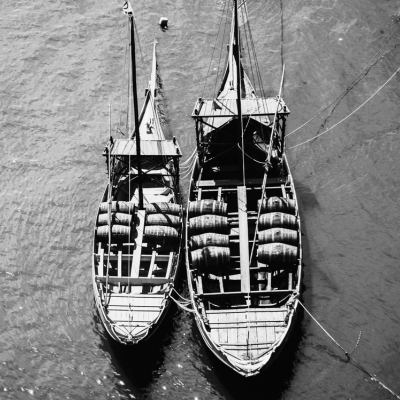
The transport of wine is as old as commerce itself. In antiquity, Greek and Roman amphorae enabled wine to be shipped by sea throughout the Mediterranean basin. In the Middle Ages, wooden barrels became the standard container, transported by river along the Gironde, Loire and Rhine.
The industrial revolution of the 19th century, with the development of the railways, allowed wine from the South of France to reach Paris in a few hours. The 20th century saw the rise of road transport and the maritime container, which standardised international shipments. Today, millions of bottles cross the oceans daily in refrigerated or climate-controlled containers, destined for over 180 countries.
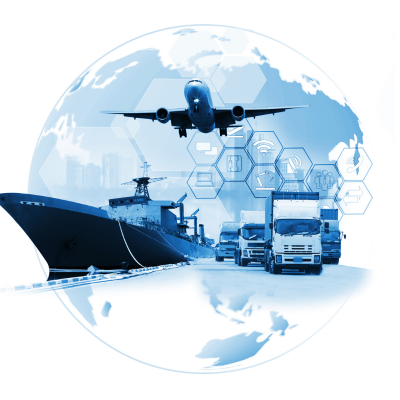
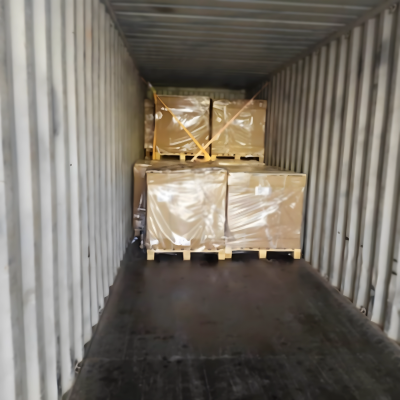
The specialist transporter manages collection from the producer, palletisation and loading, transport organisation according to the chosen mode (truck, container, aircraft), real-time shipment tracking and delivery at the destination. They handle customs formalities for export and import, accompanying documents (CMR, bill of lading, electronic administrative document, certificates of origin) and transport insurance.
The constraints are numerous: maintaining the cold chain for fragile wines, managing controlled atmosphere containers, complying with dangerous goods transport regulations for high-alcohol spirits, and coordinating with customs services of dozens of countries with different legislation.
Over 10 billion bottles exported worldwide each year
France exports over 3 billion bottles per year, mainly to the USA, UK, Germany and China
Maritime transport accounts for over 80% of internationally shipped wine volumes
The global wine & spirits transport market is estimated at over 15 billion euros per year
National road transport: delivery within France and Europe, dedicated trucks or groupage
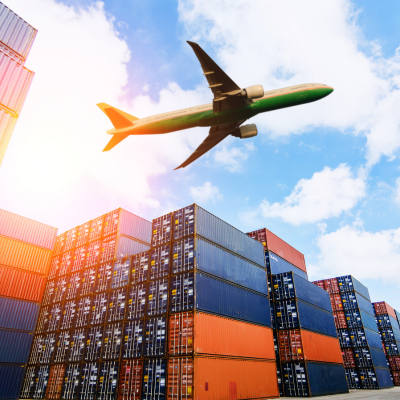
Maritime container transport: global standard for long-distance exports
Refrigerated container (reefer): temperature maintained between 12 and 18°C for sensitive wines
Air transport: express for urgent shipments and small premium volumes
Bulk transport (flexitank): flexible tanks in standard container for négociant wines
Export groupage: pooling several shippers in the same container
Collection and auction transport: high-end speciality with enhanced insurance and traceability
Diplomatic and duty-free transport: special circuits for free zones and embassies
Specialist home delivery: last mile with careful handling and adapted schedules
Multimodal transport: combination of several modes (truck, train, ship) to optimise costs and lead times
Cold chain management has become a central issue. Climate change is causing increasingly frequent heatwaves that expose wine containers to temperatures that can exceed 50°C in certain ports. Heat damage during transport is estimated at several hundred million euros per year in the sector.
The digitalisation of traceability is transforming the profession. Specialist transporters are investing in connected temperature and humidity sensors, real-time tracking platforms and electronic documentation systems that reduce customs delays and improve transparency for clients.
Finally, the energy transition is gradually imposing itself. Major wine sector clients require detailed carbon footprints and emission reduction plans from their transporters, pushing them to invest in electric fleets, alternative fuels and load optimisation.
DHL Global Forwarding, Bonn, Germany
Kuehne+Nagel, Schindellegi, Switzerland
Geodis, Paris, France
Clasquin, Lyon, France
Hillebrand Gori, Mainz, Germany
Vinlog, Mérignac, Gironde, France
Wine Shipping, Napa Valley, California, USA
CEVA Logistics, Baar, Switzerland
Vinotrans, Barcelona, Spain
LGI Wine, Melbourne, Australia
Transalliance, Beaune, Burgundy, France
Bordeaux Logistique, Bordeaux, France
Flandria Wines Transport, Lille, France
CargoWise Wine Logistics, Sydney, Australia
Would you like your company to appear on this page? Listings are reserved for Pro Premium members of Wine BHM.

Join the selection of producers on the platform.
Join the network*Featured listings are reserved for Pro Premium members, subject to terms and conditions.