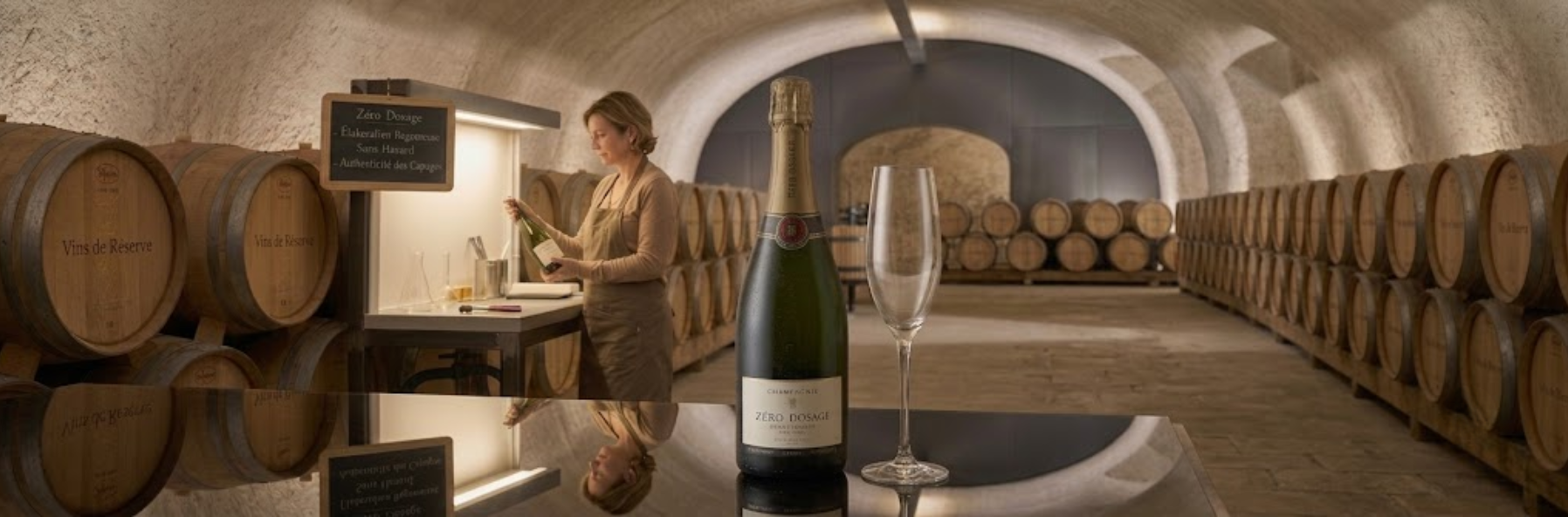
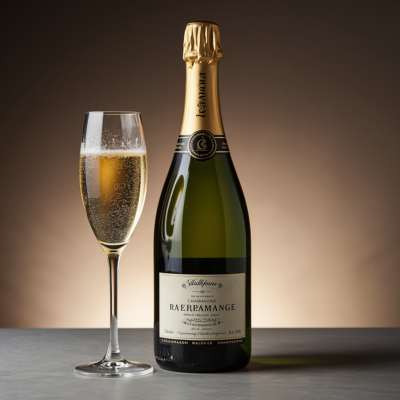
While champagne is typically dosed (with a "dosage liqueur" made from very pure cane sugar and aged Champagne wines, known as "reserve wines")—since it is necessary to fill the void created when the bottles are disgorged—an increasing number of houses are offering connoisseurs a non-sweet champagne with a pure, refined style. "Zero dosage" or "non-dosé" cuvées reflect a trend toward "eating healthy and living long." This sugar-free champagne—unlike "Brut," "Brut Nature," and other dry or semi-dry varieties—is topped up exclusively with the same wine. It thus expresses, in all its purity, the authenticity of the blended terroirs and grape varieties used (Chardonnay, Pinot Noir, Pinot Meunier) and the quintessence of a vintage. This type of champagne leaves nothing to chance and tolerates no mediocrity in its production. Connoisseurs love it for its balance, energy, liveliness, and sharpness.
Champagne is classified according to its residual sugar content, expressed in grams per liter (g/L), which is added as "dosage liqueur" during disgorgement. The lower the dosage, the more the champagne expresses the terroir and grape varieties in their natural purity.
Classification
Brut Nature / Non-dosé / Zero Dosage
Extra-Brut
Brut
Extra-Sec
Sec
Demi-Sec
Doux
Residual Sugar
0 to 3 g/L — no sugar added
0 to 6 g/L
Less than 12 g/L
12 to 17 g/L
17 to 32 g/L
32 to 50 g/L
Over 50 g/L
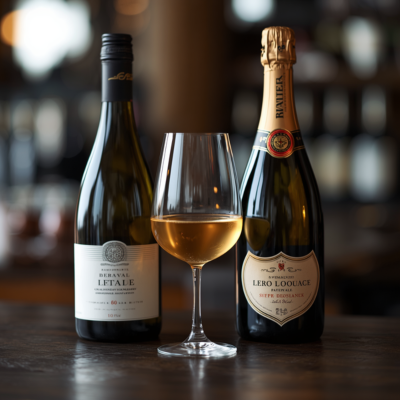
Several major houses and independent winemakers have made Zero Dosage their signature. These cuvées are now sought after by connoisseurs and sommeliers around the world.
Jacques Selosse
An absolute pioneer of the oxidative, non-dosage style in Champagne, a cult figure among enthusiasts worldwide.
Drappier
Their "nature" cuvée exemplifies the purity of the zero dosage style with remarkable aromatic clarity.
Bollinger
An austere and mineral-driven expression, their Extra-Brut reveals the full structure and depth of the house.
Laurent-Perrier
The Ultra Brut, launched in 1981, remains a historic benchmark and pioneer of the non-dosage style.
Ulysse Collin
A winemaker from Congy and a rising star in the world of non-dosage terroir-driven Champagne, producing exceptional single-vineyard wines.
Larmandier-Bernier
A biodynamic estate, their non-dosage Blanc de Blancs express the terroir of the Côte des Blancs with a unique mineral tension.
With its crisp acidity and complete absence of sugar, the Zero Dosage calls for precise and delicate pairings. Its sharp minerality makes it the ultimate champagne for fine dining.
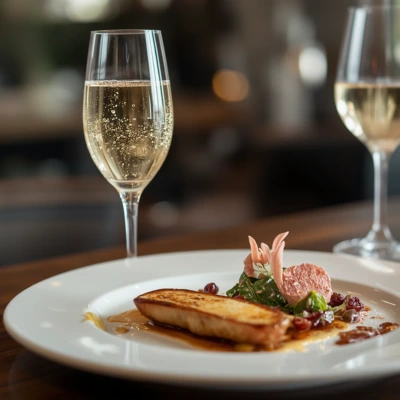
Oysters & Seafood
A classic and perfect pairing — the briny notes of the seafood complement the wine's sharp minerality.
Sushi & Sashimi
The champagne's freshness balances the delicacy of the raw fish without ever overpowering it.
Scallop Carpaccio
The wine's liveliness enhances the natural sweetness of the scallop in a pairing of great delicacy.
Aged Cheeses
24-month Comté, Parmesan, Alpine Beaufort — the wine's structure stands up to these bold cheeses.
Caviar
An exceptional pairing, one of the most refined in gastronomy: saltiness versus minerality, luxury versus luxury.
Serving Temperature
Between 8°C and 10°C — neither too cold so as not to mask the aromas, nor too warm. Precision is key.
Recommended Glass
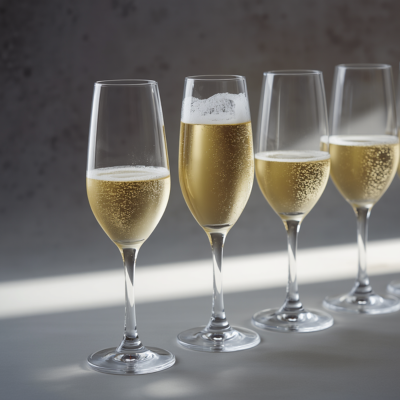
The tulip glass is now preferred by sommeliers because it releases complex aromas better than the traditional flute.
Decanting
Some highly evolved Zero Dosage wines benefit from being lightly aerated 10 to 15 minutes before serving.
Aging Potential
Contrary to popular belief, a good Zero Dosage can be cellared for 5 to 10 years, as aging naturally softens its sharp character.
Join the selection of producers on the platform.
Join the network*Featured listings are reserved for Pro Premium members, subject to terms and conditions.