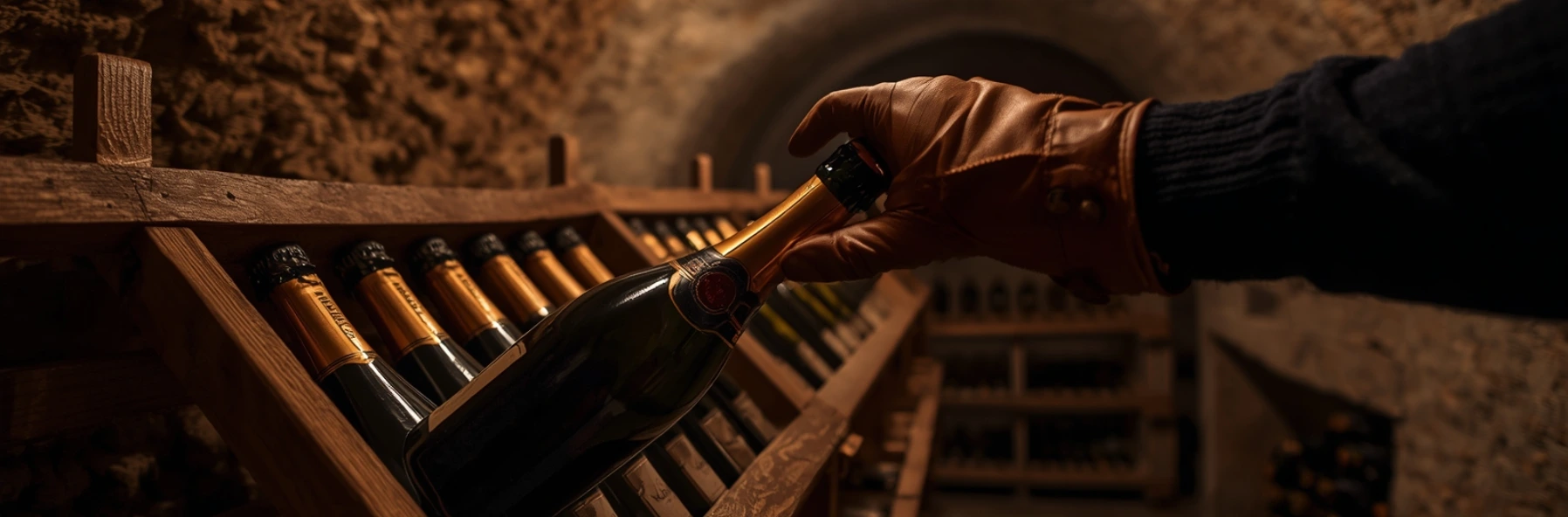
The production of Champagne is a long and rigorous process, governed by strict rules specific to the appellation. From vine to bottle, each step contributes to the elaboration of a sparkling wine unique in the world.
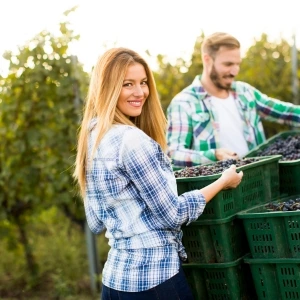
Champagne only permits manual harvesting. The grapes are picked in small crates to preserve the physiological and organoleptic condition of the berries. The harvest generally takes place at the end of September or beginning of October. The INAO (National Institute of Origin and Quality) sets the authorised yield per hectare each year. Once the grapes are cut, they are transported directly to the press in small crates (maximum 45 kilos) to prevent damage from the weight of the bunches during transport.
When the grapes arrive at the vat house, they are weighed and placed in the press to extract the juice, or "must". Pressing takes place as close as possible to the picking site to avoid losing juice along the way. 4,000 kilos of grapes yield 2,050 litres of cuvée juice and 500 litres of taille juice.
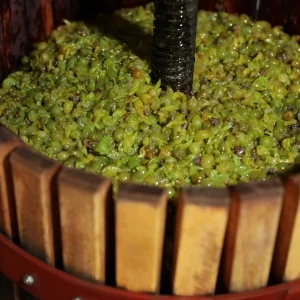
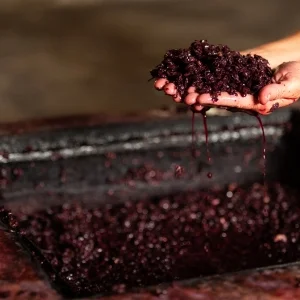
The juice from pressing is placed in a vat to remove the lees — the solid particles — that cloud the juice. This decanting operation lasts approximately 12 hours.
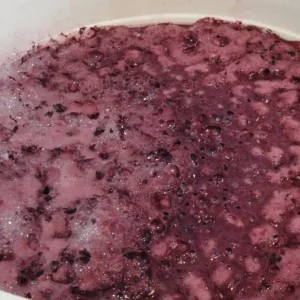
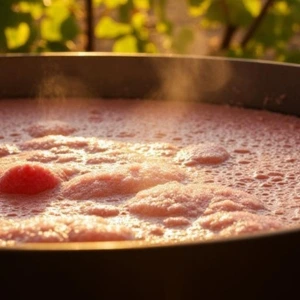
This lasts 6 days at controlled temperatures between 18°C and 20°C in thermoregulated stainless steel vats. Yeasts transform the grape sugars into alcohol. Fermentation produces carbon dioxide and the must becomes wine at this stage, reaching approximately 10% alcohol.
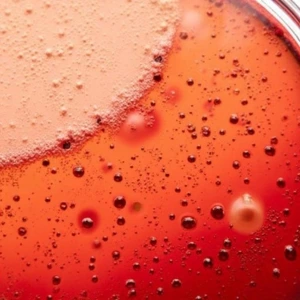
Often carried out after the first alcoholic fermentation, malolactic fermentation consists of the transformation of malic acid (hard, vegetal) into lactic acid (softer) under the action of lactic bacteria. This step softens the base wine and adds roundness. The majority of Champagne houses practise it, but some producers choose to block it in order to preserve freshness and tension in their cuvées.
The cellar master and the direction of the Champagne house carry out the assemblage a few months after alcoholic fermentation. The objective is to create the most ideal profile for the future champagne according to the house's objectives and signature style. The assemblage combines the 3 Champagne grape varieties (Chardonnay, Pinot Noir, Pinot Meunier), as well as wines from different years to guarantee the consistency of the house style. Houses such as Bollinger, Drappier or Pol Roger are recognised for the precision and consistency of their assemblages.
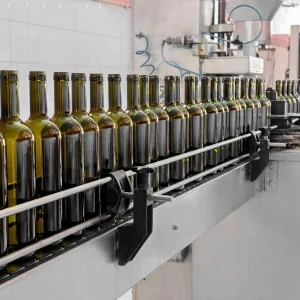
The tirage may take place from 1 January following the harvest. The wine is bottled with the addition of sugar (20 to 24 g/l) and yeasts to provoke the second fermentation. The bottles are then placed in chalk cellars on laths at a temperature of 10 to 11°C. They will rest for a minimum of 15 months for a Non-Vintage Brut (NV) or a minimum of 3 years for a vintage champagne.
This takes place over 2 to 3 weeks. The yeasts transform the added sugar into alcohol and release carbon dioxide which becomes trapped in the wine — this is the origin of the bubbles and the effervescent character of Champagne. The alcohol content increases by approximately 1.4% to reach between 11.5% and 12%.
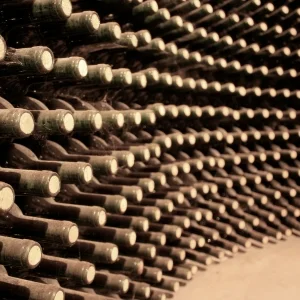
During the long rest in the cellar, champagnes develop their most complex aromas in contact with the lees of dead yeasts. This phenomenon, called autolysis, brings to Champagne its characteristic notes of brioche, toasted bread, hazelnut and cream. The longer the ageing period, the more present and complex these tertiary aromas will be. This is why the great prestige cuvées sometimes remain several years, or even decades, in the cellar before being released for sale.
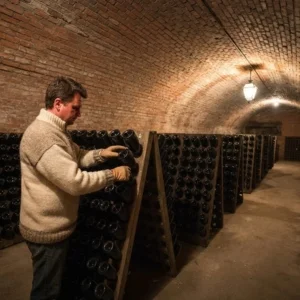
At the end of the resting period, a deposit of dead yeasts has formed inside the bottle. The bottle, placed head down on a wooden riddling rack, is turned daily by the cellar master to slide the deposit towards the neck. This operation takes 3 weeks manually, or only 1 week with automatic gyropalettes which handle 504 bottles simultaneously.
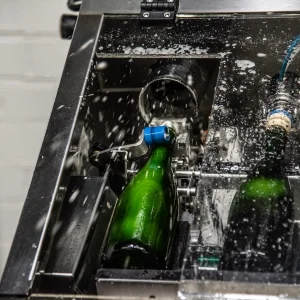
The neck of the bottles is frozen (bottles placed head down in an ice bath), solidifying the deposit into a small block of ice. The bottle is then uncapped and the internal pressure (6 bars) naturally expels the ice plug containing the lees.
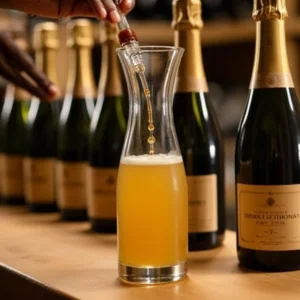
After disgorgement, the liqueur d'expédition is added — a mixture of cane sugar and old Champagne wines — to compensate for the void left and define the final style: Brut Nature (0 to 3 g/l), Extra-Brut (0 to 6 g/l), Brut (less than 12 g/l), Extra-Sec, Sec or Demi-Sec. The bottles are then corked, wired and dressed before being prepared for sale.
Would you like your house or your domaine to appear on this page? Featured listings are reserved for Wine BHM Pro Premium members.
Join the selection of producers on the platform.
Join the network*Featured listings are reserved for Pro Premium members, subject to terms and conditions.