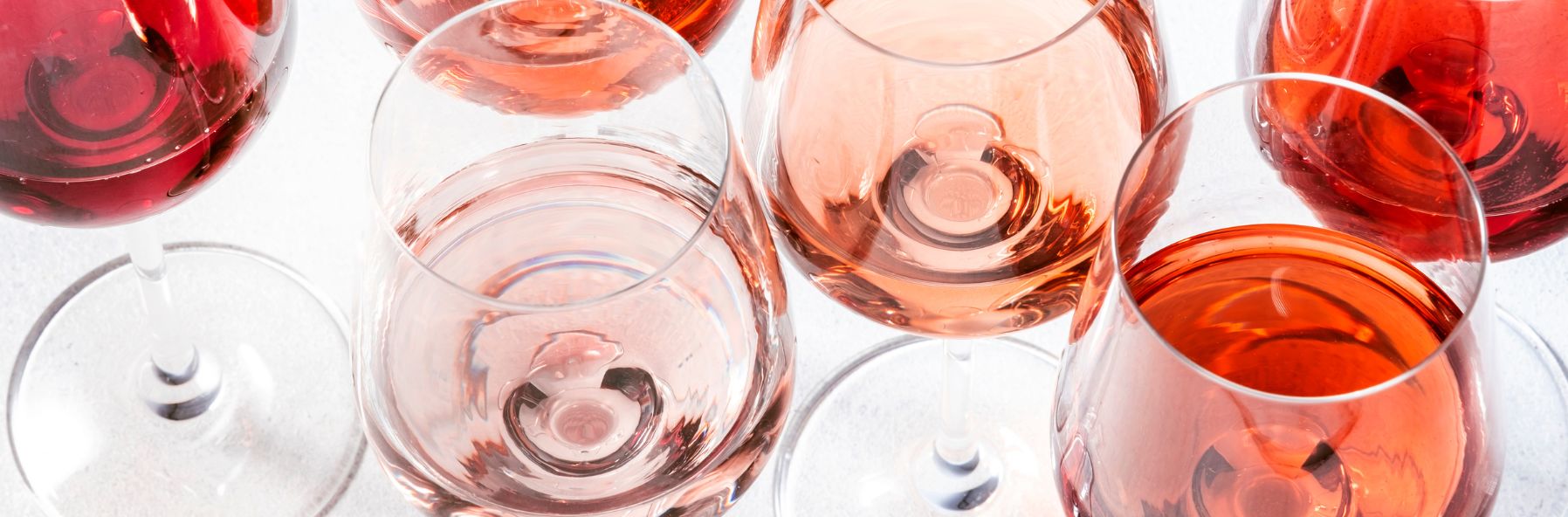
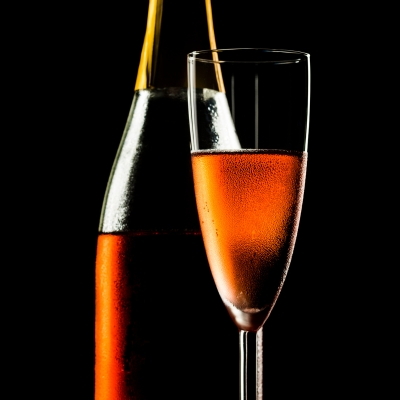
The current enthusiasm for rosé Champagne almost makes one forget the long history behind this product. While one might think its production is recent, we are in fact dealing with an iconic wine of intermittent success over the years. Before the advent of sparkling wines, all Champagne wines were tinged with pink — grey wines, claret, oeil de perdrix or rougelets — and Barbe-Nicole Clicquot, ever visionary, was already offering rosé Champagne as early as 1804.
A true movement around this style of Champagne took place at the end of the 1950s. Carried by prestigious houses, it enjoyed a golden period until the late 1970s, with the creation of mythical cuvées such as the Cristal Rosé by Roederer and the Comtes de Champagne by Taittinger. More discreet but always present in the two following decades, its revival was confirmed from the 1990s onwards, notably with the Dom Ruinart 1996 cuvée. Now approved by purists, we are witnessing today a genuine enthusiasm for rosé Champagne and almost all houses have integrated it into their range.
There are two methods of producing rosé Champagne.
The blending of red and white wine is used by the majority of producers. Champagne is the only appellation in France authorised to use this process. This method, relatively inexpensive, nonetheless requires considerable skill to vinify a quality red wine with good colour but few tannins, which brings the Champagne its tint and flavour without making it too hard. A red wine obtained from the finest Champagne parcels of Pinot Noir located in Verzenay, Bouzy or Ambonnay, which will represent no more than 10% of the final blend.
The alternative is the saignée or maceration rosé. It is the result of a short maceration of the juice — between 8 and 12 hours — with the skins of the red berries. More delicate, this method requires excellent expertise acquired by a minority of winemakers such as Francis Boulard, René Geoffroy, Larmandier Bernier or Leclerc-Briant.
The choice between the two methods is fundamental and reflects the philosophy of the winemaker. The assemblage rosé offers greater consistency from year to year, which is particularly valuable for the great houses seeking to maintain a consistent style. The saignée rosé, on the other hand, is often the choice of grower-producers who prioritise terroir expression and the singularity of each vintage.
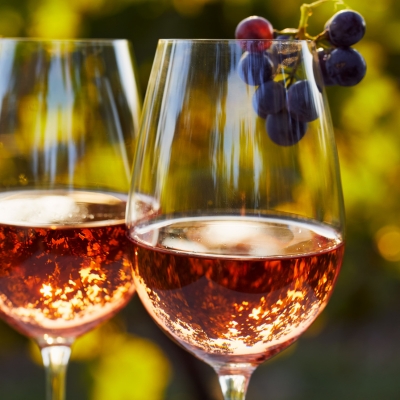
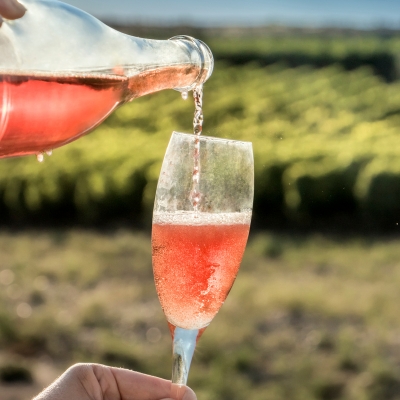
These Champagnes are different, with decidedly more pronounced flavours. The wide range of perceived aromas comes from both the vinification and the grape varieties used. Chardonnay will produce more subtle and lighter wines, though it is more rarely used for rosé production. Pinot Noir and Pinot Meunier will yield a fuller and more aromatic result.
In terms of production, the saignée rosé will bring more striking aromas. Rarely vintage-dated — due to its less stable colour — it is best enjoyed for its fruit and will deliver beautiful red fruit notes. The assemblage rosé, more often vintage-dated, will play on suppleness, delicacy and subtlety. Complex and elegant wines each in their own way, for a true explosion of flavours on the palate.
Rosé Champagne also stands out for its gastronomic versatility. Its more pronounced structure compared to white Champagne makes it particularly suited to pairing with more complex dishes. It pairs magnificently with fish in sauce, lightly pink white meats, shellfish, high-quality sushi and maki, as well as soft-rind cheeses.
The great vintage rosé cuvées, such as those from Bollinger or Pol Roger, develop remarkable aromatic complexity over time and can accompany sophisticated gastronomic preparations found in starred restaurants worldwide. Served between 8°C and 10°C, rosé Champagne fully reveals its aromatic palette and characteristic freshness.
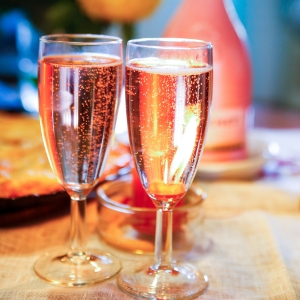
Rosé Champagne today represents approximately 10% of total Champagne production, compared to less than 1% in the 1970s. This spectacular progression reflects the evolution of international consumer tastes, increasingly attracted by sparkling wines that are both visually seductive and gastronomically versatile.
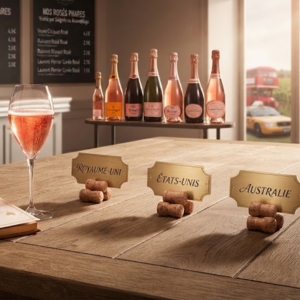
Anglo-Saxon markets — the United Kingdom, the United States, Australia — are particularly fond of rosé Champagne, which in some premium circuits represents up to 20% of volumes sold. In France, rosé Champagne has become a staple of wine merchants and gastronomic restaurants, which now systematically offer it on their wine lists.
Would you like your house or your domaine to appear on this page? Featured listings are reserved for Wine BHM Pro Premium members.
Join the selection of producers on the platform.
Join the network*Featured listings are reserved for Pro Premium members, subject to terms and conditions.