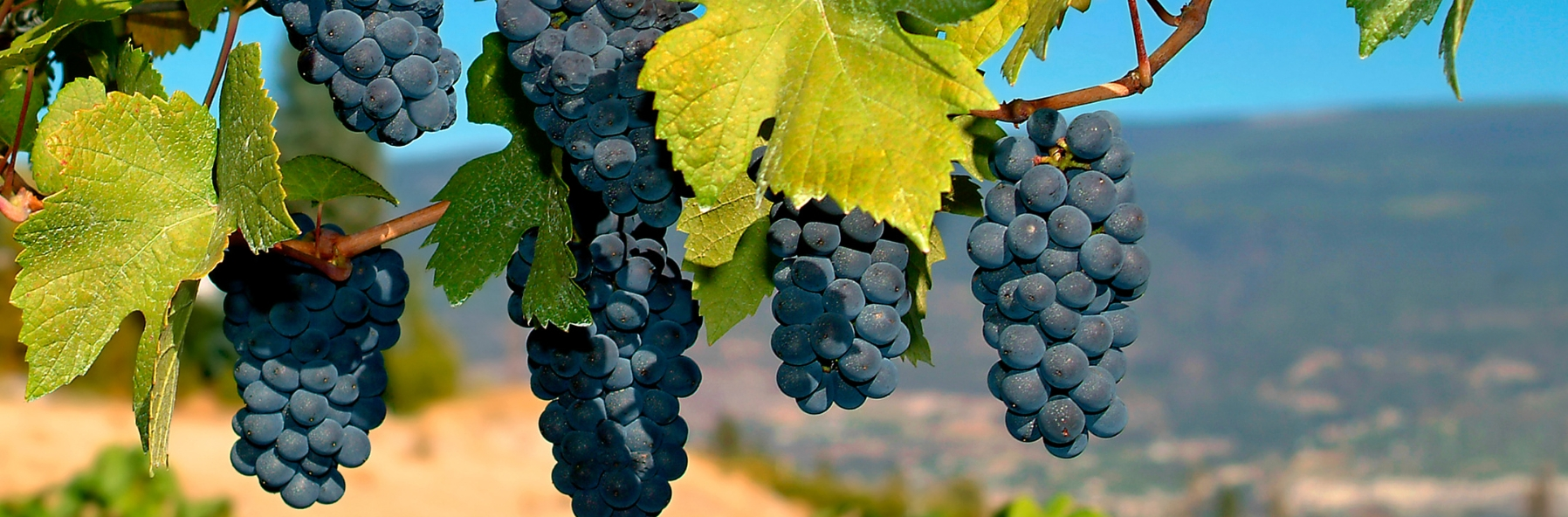
Appearing at the end of the 18th century, the name of this grape variety is said to derive from the blackbird — "merle" in French — a bird that would particularly appreciate the flavour of its berries. Originating from south-west France (it represents 58% of the planted surface in the Bordeaux region), it is now widely exported worldwide, whether in Europe (Spain, Switzerland, Croatia, Slovenia, Russia, Hungary and Italy), South America (Argentina, Chile) or California. It is also cultivated in other French regions, such as the Languedoc, which hosts a quarter of all Merlot plantings in France.
On a global scale, Merlot is one of the most widely planted grape varieties in the world, with more than 260,000 hectares under vine. Its ability to adapt to varied terroirs and its aromatic accessibility make it one of the favourite grape varieties among international consumers, from novice enthusiasts to confirmed connoisseurs.
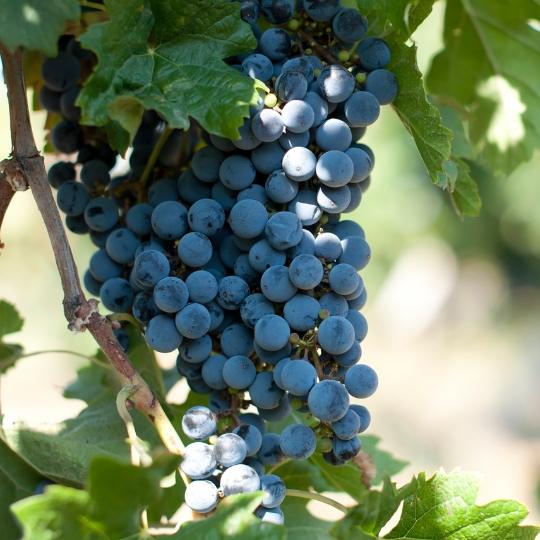
This red grape variety is recognised by its black, rounded, medium-sized berries. While its budburst — the moment of the year when buds develop to reveal their bud scales, meaning the young leaves and flowers — is early, its ripening is later compared to other grape varieties.
Merlot appreciates regular water supply, which is beneficial to its good development. It will therefore logically prefer calcareous soils with sufficient depth and clay content. These will prevent excessive water stress, particularly during the summer period. On soils that are too thin and dry, the fruit will not develop properly. Its preferred climate is temperate, with regular humidity and warm summers. Its thin skin makes it an easy target for grey rot and requires mild temperatures and dry late summers. It is also sensitive to spring frosts, certain diseases such as downy mildew and leafhoppers.
It is on the clay-limestone soils of the Bordeaux right bank — Saint-Émilion and Pomerol foremost — that Merlot expresses its quintessence. Iconic estates such as Pétrus, vinified as near-pure Merlot on the blue clays of Pomerol, or Cheval Blanc, which blends it with Cabernet Franc, illustrate the exceptional potential of this grape variety on these outstanding terroirs.
Often blended with Cabernet Sauvignon, particularly in the Bordeaux region, Merlot conveys various emotions depending on how it is worked. In general, it brings to the wine a beautiful dark and dense colour. In terms of its aromatic bouquet, it offers greater complexity. Dominated by red and black fruit fragrances, it releases delicate and very characteristic notes of strawberry, raspberry, redcurrant, cherry, blackcurrant, blackberry and violet. With age, these will become more jammy and evolve towards spiced touches, undergrowth, prunes and black truffle. Its supple palate reveals distinguished tannins. Synonymous with power and roundness, Merlot produces fleshy wines with magnificent fruitiness.
Compared to Cabernet Sauvignon, Merlot is generally more supple, less tannic and more approachable in its youth. It is this quality that makes it a particularly appreciated grape variety among importers and wine merchants seeking to offer wines of character accessible to a wide clientele.
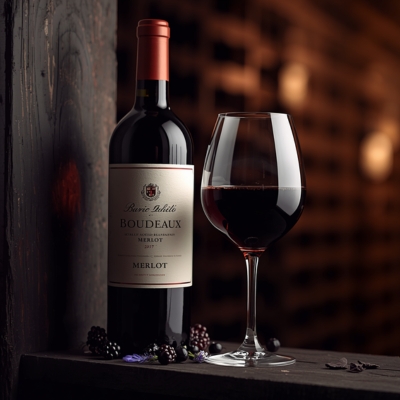
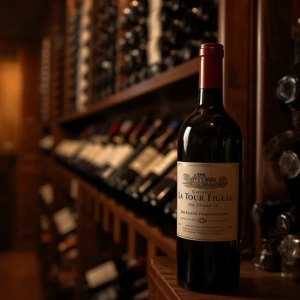
In the great wines of the right bank, Merlot reigns supreme. In Pomerol and Saint-Émilion, it often represents 70 to 100% of the final blend. On the left bank, it plays a complementary role in the great Bordeaux wines of the Médoc, bringing roundness and volume to blends dominated by Cabernet Sauvignon.
Properties such as Angélus or La Tour Figeac perfectly illustrate Merlot's capacity to produce wines of great ageing potential, complex and profound, capable of rivalling the greatest wines in the world.
Would you like your domaine or your company to appear on this page? Featured listings are reserved for Wine BHM Pro Premium members.
Join the selection of producers on the platform.
Join the network*Featured listings are reserved for Pro Premium members, subject to terms and conditions.